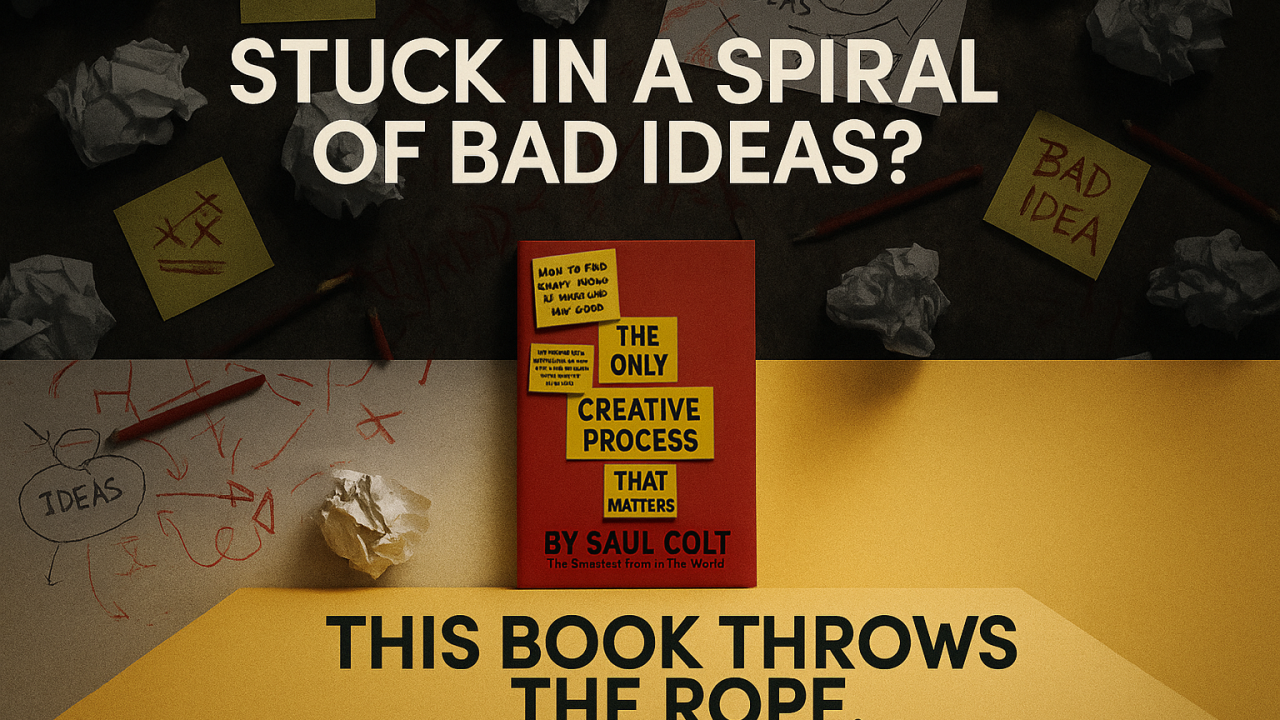
Do you love yourself? If you do you should buy my book.
Alright, let’s be honest:
If you’re only planning to read one book this year... you’re probably either lying, burned out, or watching too many Instagram reels about books without actually opening one.
And hey, no judgment, we’ve all been there.
But if you are going to read one book this year? Make it Shoe Dog. Seriously. That book is a masterpiece. I’ll carry Phil Knight’s sneakers to thank him for writing it.
Now... if you decide to read two books this year?
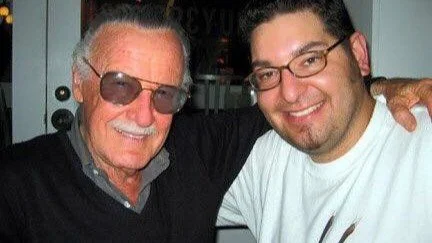
The Stan Lee Rule of Branding: Every Time Is Someone’s First Time
The first rule of comedy is: tell a joke once and it’s funny. Tell the same joke five times and it’s not funny anymore. Tell that same joke nineteen times to the same people, and suddenly it’s awkwardly hilarious.
That’s brand storytelling.
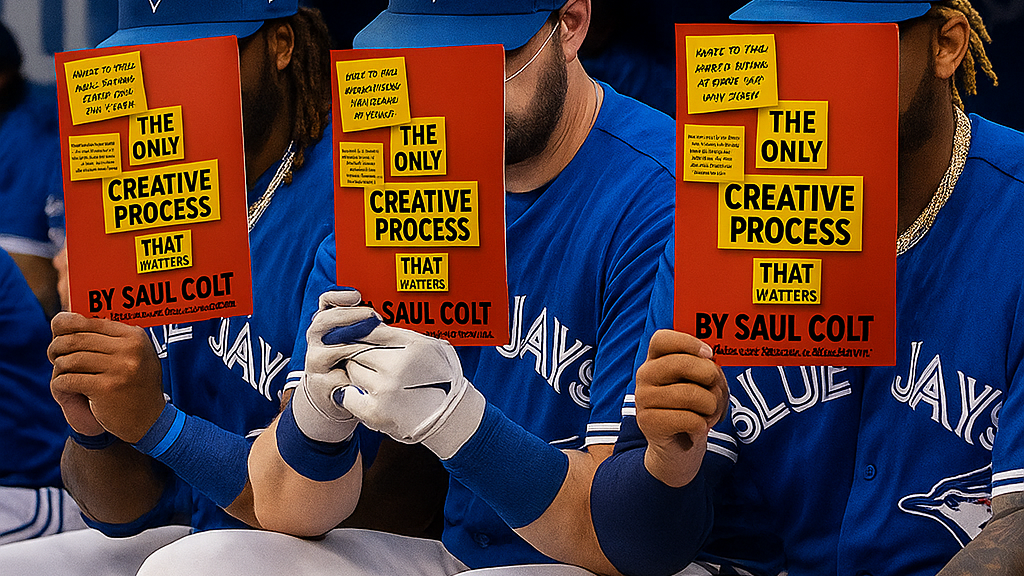
Major League Baseball’s Banana Problem
A while back I wrote about why I’m not exactly in the Savannah Bananas fan club. Don’t get me wrong, I see the genius. They’ve turned baseball into a TikTok-friendly circus, they’ve made millions, and they’ve brought people who wouldn’t know a double play from a double espresso into stadiums. But as a long-suffering baseball fan, I don’t want baseball to become a never-ending talent show. I want baseball to be baseball.
Time to Stop Playing It Safe With Your Marketing/Advertising Cause It Doesn't Matter
A funny thing happens every time a brand does something bold: social media loses its mind.
Take the recent Cracker Barrel situation. They make a simple logo change, and the comment section fills with people swearing they’ll never set foot in a Cracker Barrel again, and our beloved LinkedIn becomes well, I don't know how to describe it. From the reaction it got you would think they added plant-based sausage to the menu or told the world that the old guy in the logo is named Hershel and may be Jewish. Sales tank and then spike as new audiences discover them, and eventually the brand cements its relevance (again). The truth is this: no matter what you do, social media will scream. That’s its job, so make sure they are busy.
Social Media Isn’t Social Anymore, It’s Angry Media, And Brands Should Stay Away.
I am a pioneer of the internet. Literally one of the early ones who discovered new land and how to make a career because of it. I was there with Mitch Joel, Chris Brogan, and others and while I admire these people and hang on their every observation to this day, now I am not sure they will tell you what I am about to say. A long time ago, on what feels like a planet far far away, “social media” was about connection, and it was beautiful. In high school, I met other They Might Be Giants fans online and realized I wasn’t the only person in the world obsessing over accordion-driven nerd rock, and it made me feel less alone. Later, I met people who were doing the kind of work I wanted to do, and they gave me tips and encouragement. It was human, messy, and, yeah, sometimes even weird in a way that felt authentic.
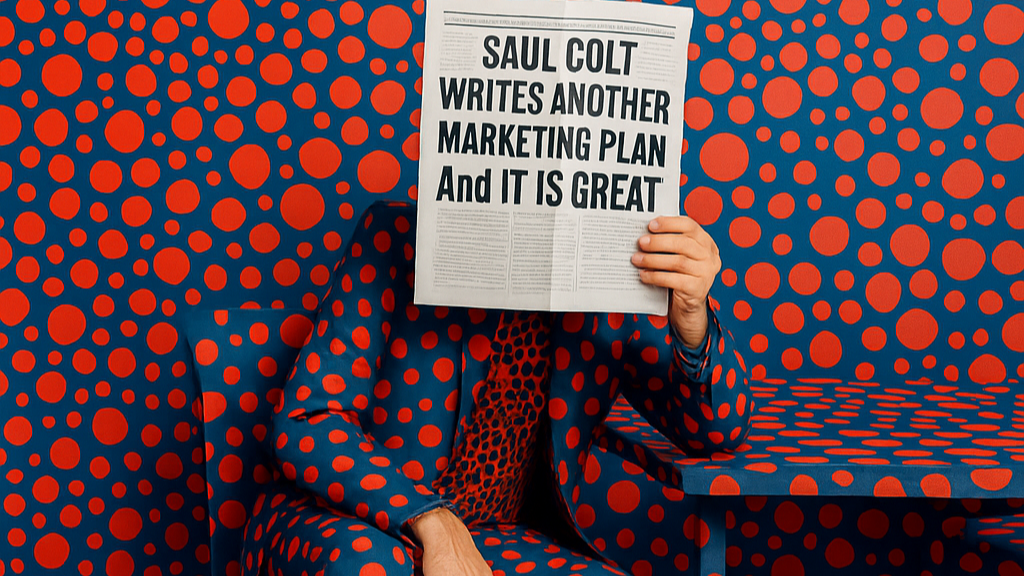
The Ruthless Art of Writing a Marketing Plan
In the last month, I’ve written two full-blown marketing plans for clients and I’m diving into a third one this weekend for a very hands on project. Both were very different projects. Opposite ends of the spectrum when it comes to target customers, budgets, and expectations. But here’s the funny part: both plans, unique as they were, netted out at exactly 45 pages each.
That wasn’t by design. I didn’t have a template I was plugging things into. It happened because that’s how much it takes to capture the real meat of a marketing plan when you’re not padding it with fluff.

Marketing Magic: Why the Best Campaigns Feel Like Sleight of Hand
I’ve been in marketing long enough to watch it morph from a business built on instinct, creativity, and a little showmanship… into something that looks like a NASA control center for consumer behavior. Now don’t get me wrong, I’m not anti-data. Data’s amazing. It tells you who’s worth talking to, where they are, what they care about, and sometimes even the color of socks they’re wearing when they buy toothpaste.
But here’s the thing: data can tell you where to aim the arrow, it can’t make anyone care that you shot it.

Would you refer me to someone?
Most people don’t refer you or things in general (like my book) because they forget. The rest don’t refer you because they’re not sure you’re worth the risk.
That’s the uncomfortable truth.
But what do most brands do? They ask, “Would you refer us?” and take the answer, “Of course!”, as gospel.
No follow-up. No action. No accountability. Just a warm feeling and a slowly dying business.
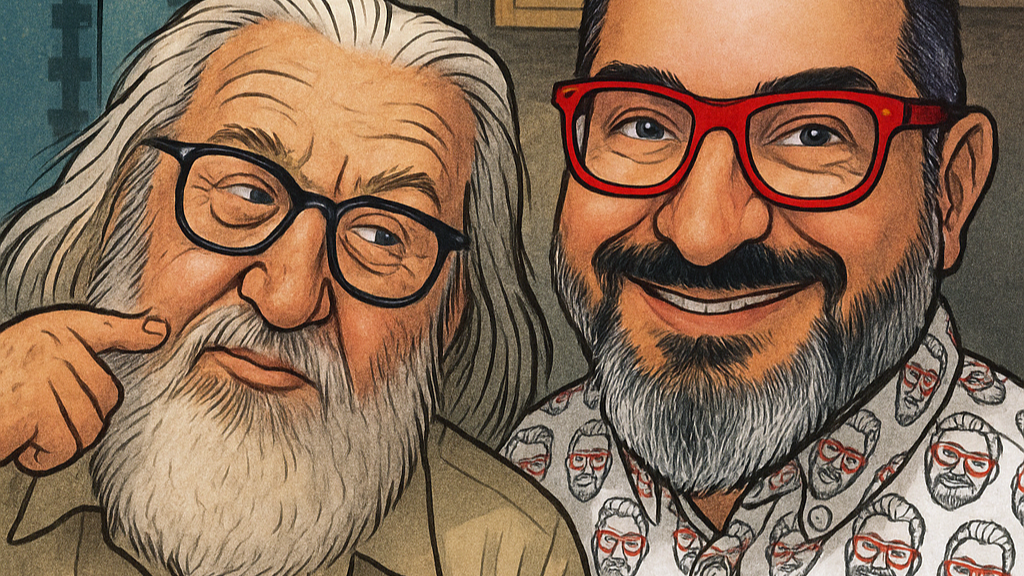
Business Lessons from My Idols: William M. “Bill” Gaines of MAD Magazine
My two biggest business influences have been the same since day one: my Dad and Bill Gaines, the founder of MAD Magazine. This post is the first in what may be an ongoing series, “Business Lessons from My Idols,” and this one is very personal one for me. If you grew up reading MAD you probably remember the goofy Alfred E. Neuman and the magazine’s parodies, but you might not know the man behind the magazine. Bill Gaines was MAD’s longtime publisher (over 40 years) and the architect of a work culture so unique and fun, it arguably set the template for the modern “creative office.”

Ryan Reynolds Is To Advertising What Shien Is To High Fashion.
Let’s talk about Ryan Reynolds.
Actor? Yes. Charming? Sure. Canadian? Absolutely. But marketing genius? Pump the brakes, ADWEEK .
Once again, the advertising world is tripping over itself to praise the man like he’s the second coming of David Ogilvy, all because of a shiny little PR diversion masquerading as a brand campaign. If you missed it, Ryan Reynolds' agency (Maximum Effort — ironic name for what amounts to TikTok-level commitment) recently dropped an ad for a tech company featuring Coldplay’s “X&Y” era emotions and, get this, the Coldplay singer's ex-wife Gwyneth Paltrow is in the creative. That’s right, they used a connected celebrity as a smokescreen to rewrite the headlines and change the public narrative on the CEO cheating scandal.
And everyone’s clapping like trained seals at SeaWorld.

Creativity Comes Best With Constraints
I have been getting slack from people over at Instagram for posting about being Jewish (I was born like this, get over it), so here I will share the other side of me... creativity. If you know me, you know I don’t shy away from speaking my mind. So fine, let’s pivot from cultural commentary to something a bit less controversial but just as personal: my love-hate relationship with constraints in creative work. Yeah, you heard that right. Today I’m going to drop some truth bombs about how having less, smaller budgets, tighter deadlines, fewer resources, you name it, can actually make you more creative...and yes this is a theme in my book, so please, go buy it!
It’s OK to Come Back. Seriously.
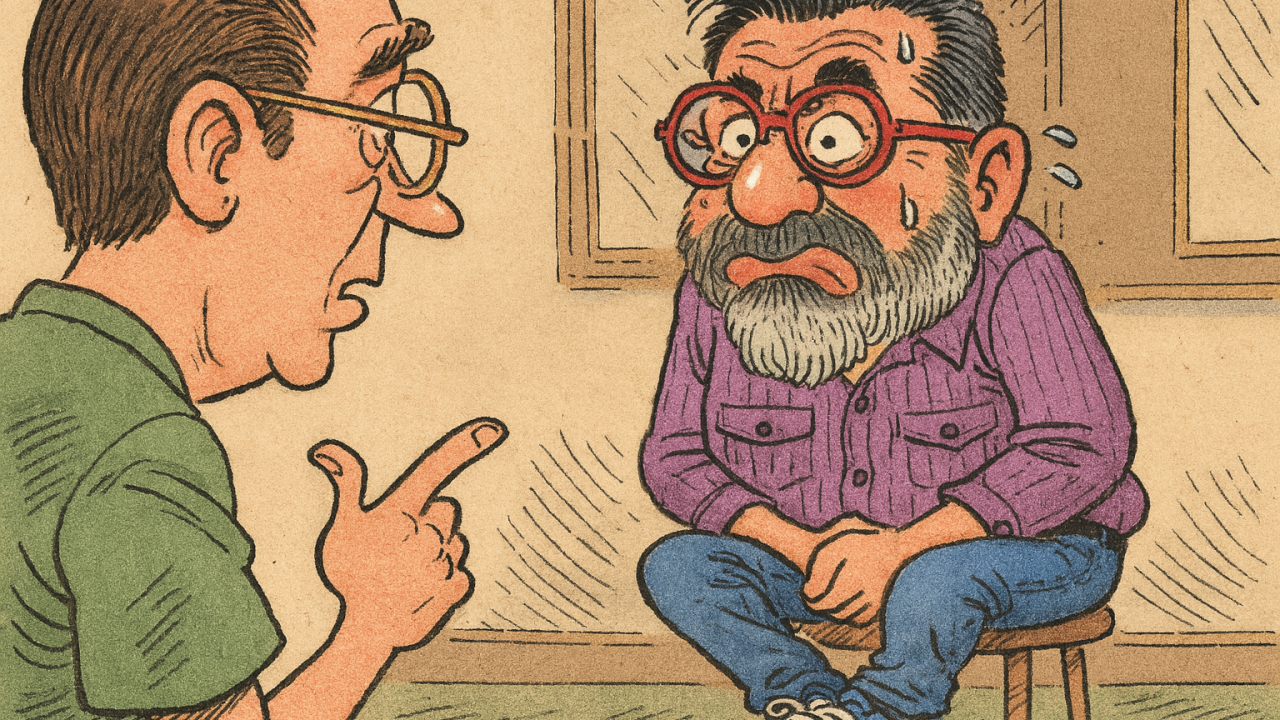
There’s something I need to say, and I hope it reaches the right people.
It’s OK to come back. Really. No guilt. No shame. No awkward silences required.
Earlier this year, my company lost three projects to “AI.” That’s not code for another agency, it’s literal. The clients decided they could do what we do in-house using AI tools instead of a team of human creatives.

Modernizing a 20-Year-Old Brand: What We’ve Learned, What Comes Next, and Why Playing It Safe Is the Worst Idea You Can Have
I’m real close to taking on a new project, a brand that’s been around for 20 years, and I’m speaking about it like it’s already in the bag because, frankly, it’s just a matter of time. (I’m a big believer in speaking things into existence.)
Modernizing a brand that’s been operating for two decades is no small task.
AI Doesn’t Buy Shit: Why Your Marketing Strategy Should Focus on Humans
I decided to ride the wave of video and talk my way through this thought I had, but am going to transcribe it below as well for those who don't think I am very handsome.
Captions are auto generated
Play
In a world where Artificial Intelligence is becoming the go-to solution for everything from customer service to creative design, it’s easy to get swept up in the idea that data is the answer to all your marketing problems. Impressions, clicks, engagement rates, ROAs, these are all stats that get a lot of attention, and for good reason. In fact, by 2025, we’re expected to generate and consume a staggering 180 zettabytes of data, according to the IDC Global Datasphere.
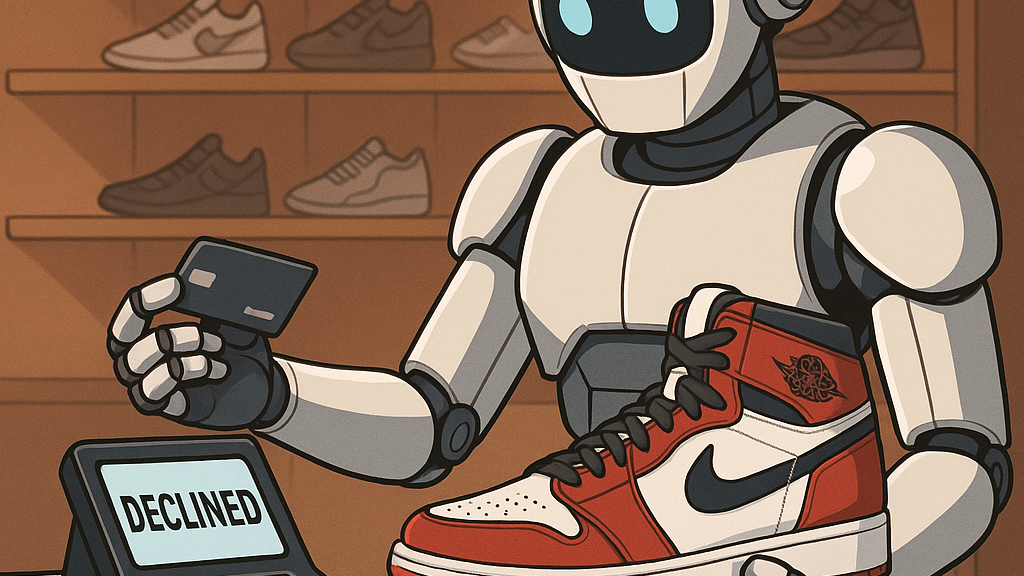
But here’s the thing: AI doesn't buy anything. People do.

Viral Content vs. Sticky Content: Why One is a Flash in the Pan and the Other is a Lifelong Friend
Let me start by being brutally honest (seems to be my new thing): I don’t think anything I’ve done has ever gone crazy viral. You know, like Justine Sacco “#hashtagging her career into oblivion” viral. But what I have done is create stuff, both in writing and with stunts, that people still remember 10 years later. And that’s exactly the kind of content I’d take over viral any day.
Experiential Marketing Is on Life Support... But It Shouldn't Be.
I keep Google Alerts for a handful of things: my name (obviously), my book title, a few brands I admire (or envy), and the term “experiential marketing.”
That last one used to be my favourite alert.
Every few days, I’d get a little gem in my inbox, a recap of a jaw-dropping installation in Tokyo, a campaign that took over an NYC subway station, or some mind-bending immersive stunt in London that made people stop in their tracks and feel something.
If You Haven’t Been Fired Yet, You Might Be Playing It Too Safe
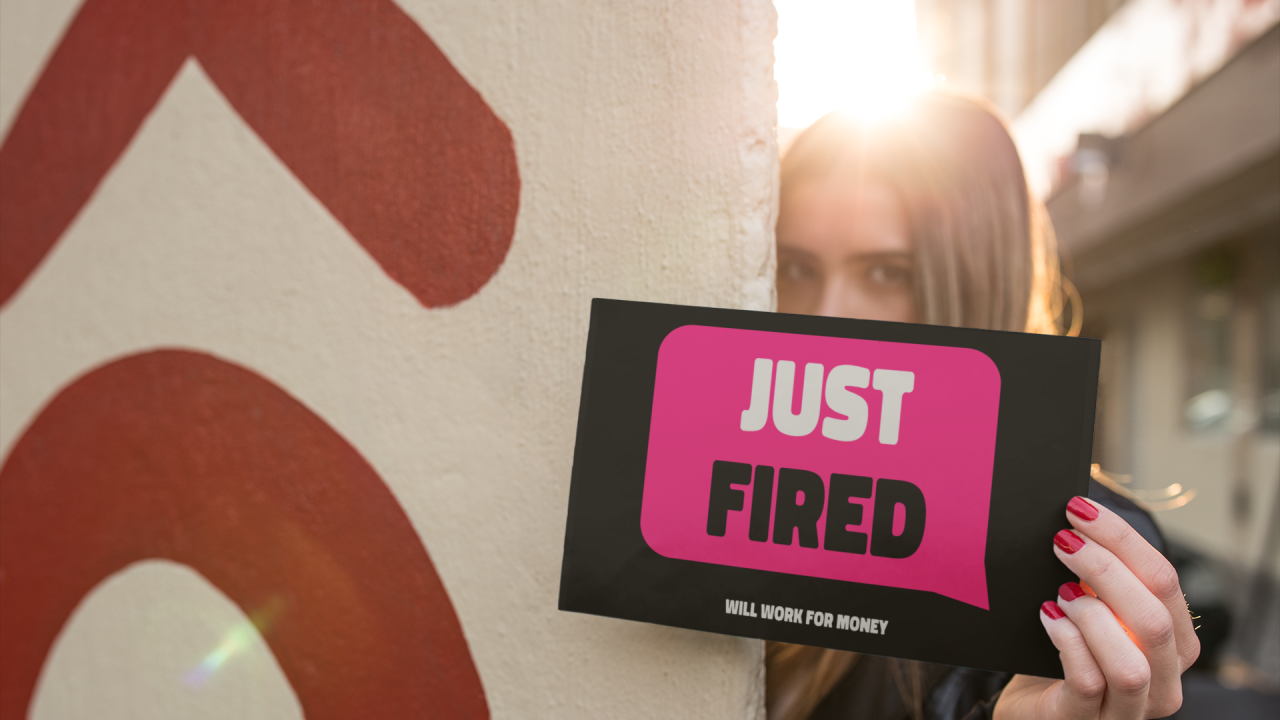
Let’s talk about something most people avoid like a landmine in a job interview: getting fired.
We’re All Solopreneurs Now. Some of You Just Haven’t Accepted It Yet
I run an agency. Not a pretend one. A real one. With full-time staff. Payroll. Clients on three continents. Alumni from Mad Magazine and The Simpsons on the creative team. We do big, loud, sometimes legally-questionable-but-always-effective marketing work.
But here’s the part most people don’t realize:
Even with a team, I’m still a solopreneur.
I Wrote A Book And You Should Buy It.
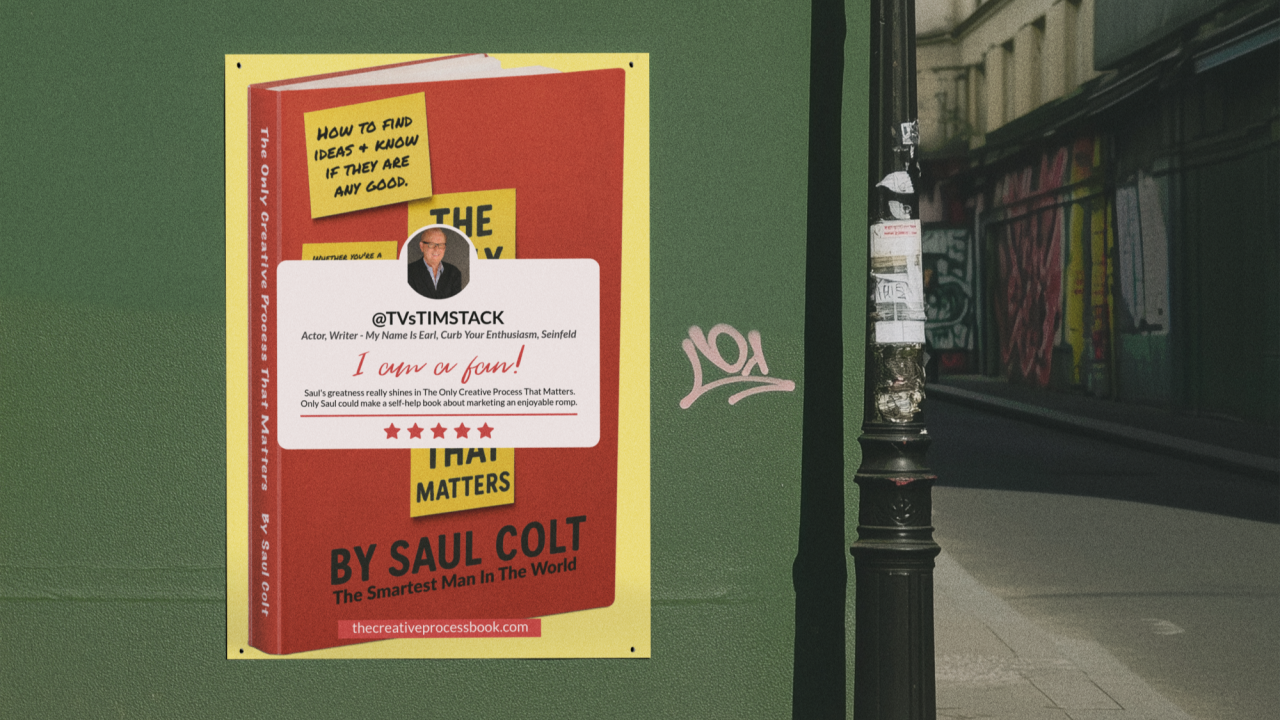
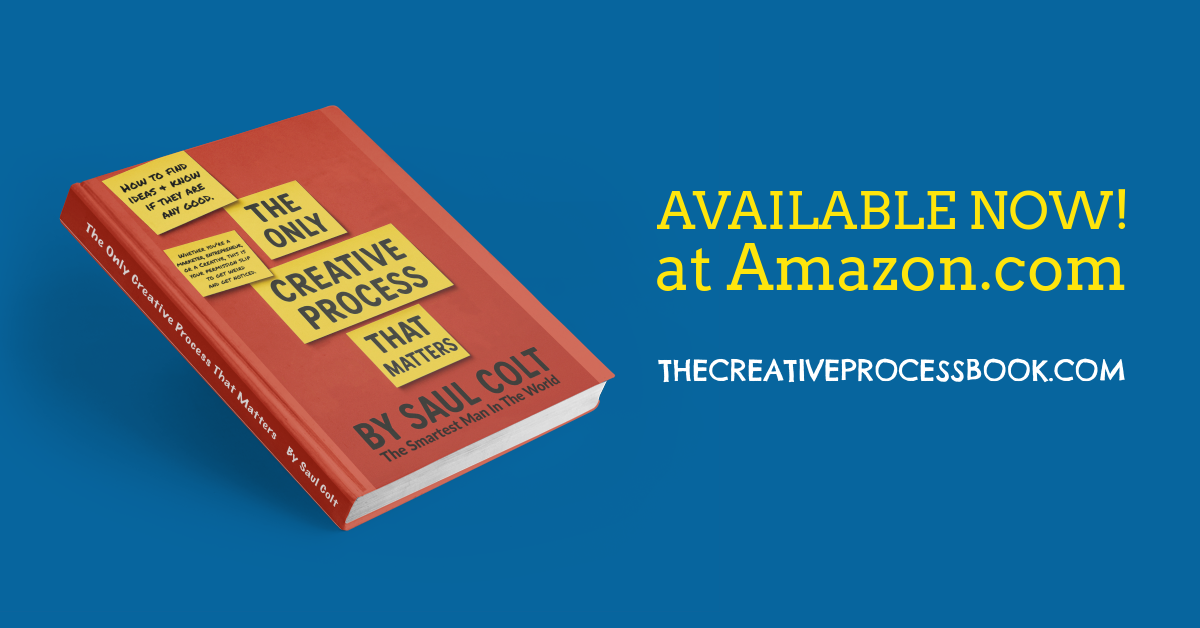
So why did I write a book? Truthfully, it is not because I thought the world needed another book about creativity. (There are already too many that say the same high-level thing in different fonts.) I wrote it because I’ve spent 25 years in the trenches, the foxholes, the back alleys launching brands, blowing minds, and building ideas that actually work, and I wanted to finally put everything I know into one place.
It’s called The Only Creative Process That Matters. And yes, the title is pretty tame compared to the content inside.
Coca Cola's 70-20-10 formula. It's the Real Thing
Real talk: Coca-Cola gave the marketing world a gift with their 70-20-10 content model… and almost nobody’s using it.
I’ve been in marketing a long time. Long enough to remember when “viral” was just a thing you caught from making out with the wrong person in a burger king bathroom (don’t judge). So when I tell you this framework is one of the smartest tools for balancing brand consistency with actual innovation, I mean it.