
Viral Content vs. Sticky Content: Why One is a Flash in the Pan and the Other is a Lifelong Friend
Let me start by being brutally honest (seems to be my new thing): I don’t think anything I’ve done has ever gone crazy viral. You know, like Justine Sacco “#hashtagging her career into oblivion” viral. But what I have done is create stuff, both in writing and with stunts, that people still remember 10 years later. And that’s exactly the kind of content I’d take over viral any day.
Because let’s be real, viral content is like flash paper. It burns bright and fast, everyone’s like, “Oooooh, look at that!” But then it’s gone, leaving only the smell of burnt edges and a bunch of "what was that all about?" looks. On the other hand, sticky content sticks with people. It’s the stuff they bring up again at dinner parties or email to a colleague because it stays with them.
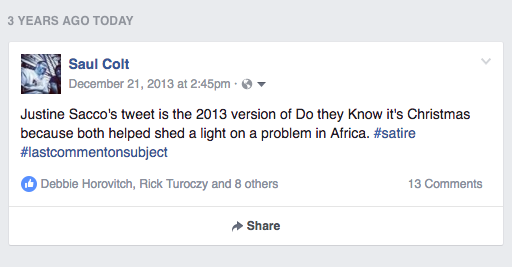
Now, before I dive in, let me just say this: if you’re trying to make a viral video, you’ve already failed. The best way to make a viral video? Name it viral.mov and watch it flop in the most spectacular way possible.
The Instant Gratification of Viral Content
Viral content has become the holy grail of digital marketing. Everyone’s chasing the next “viral moment,” whether it’s an accidental meme or a perfectly timed stunt that gets picked up by every media outlet under the sun. But here’s the thing: that viral moment is fleeting. The sweet rush of seeing your numbers spike, watching your mentions flood, hearing your name come out of people’s mouths, it’s all there for a second, but then it’s gone.
It’s kind of like that guy at the party who gets everyone’s attention for five minutes by shouting something ridiculous. Everyone laughs, they share it, and then, boom, onto the next big thing. Maybe they’ll remember that guy in a few days, maybe they won’t. The memory fades, and so does the impact.
What’s the Problem with Viral?
You might be wondering, “Why is viral content so bad, Saul?” Well, it’s not bad, it’s just... unsustainable. It’s a race to the bottom. It gets attention because it’s either outrageous, controversial, or just plain shocking. But once the rush wears off, so does the brand connection. There’s no lasting impact. People won’t remember what you were selling or why they were interested in you, because the content was designed to be consumed and forgotten. And let’s be real, if you're not memorable, you're irrelevant.

The problem with chasing viral? You’re putting all your eggs in one basket. You can’t control when something goes viral, so it’s a huge risk to base an entire strategy around it. In fact, trying too hard for a viral moment often leads to something that feels forced. We’ve all seen it: a brand desperately trying to hop onto a trend or make something “edgy” just for the sake of getting clicks.
Why You Should Aspire to be Sticky
Now let’s talk about what I really think brands should be gunning for: sticky content. This is the kind of content that, once it’s been consumed, lingers. It sticks with the audience long after they’ve closed the tab. It’s the article someone shares with a coworker because it made them think differently about their approach to leadership. It’s the idea that someone brings up in a meeting because it’s given them the language to communicate better. It’s the post you find yourself referring to when you need to make a decision.
Sticky content doesn’t just entertain or shock. It educates, it motivates, it makes people reflect. The best sticky content becomes a tool for people to use in real life. It shapes behavior. And the best part? It’s evergreen. Sure, it might be tied to current events or trends, but its core value stays useful over time.
Sticky Content is About Long-Term Value
Unlike viral content, which burns bright and fast, sticky content has a shelf life. It’s content that people keep coming back to because it adds value, it challenges them, it helps them see the world from a new perspective. And when people keep coming back to your content, that’s when you know you’ve hit gold.
This type of content shapes the conversations people have at work, in social settings, and in their own heads. And when your content starts showing up in those conversations again and again, it becomes part of the fabric of how people think. In my own experience, I’ve seen this happen with articles and marketing stunts I’ve done. I’ll hear from someone months, or even years, later who tells me they still remember something I did and how it made them see things differently.
The Power of Sticky Content in Shaping Culture
Sticky content has the power to shape organizational culture and relationships. When people share something again and again, it reflects what’s important to them, what’s useful, and what they want to bring into their lives. It doesn’t have to be flashy, it just has to matter.
In a workplace, sticky content can be the difference between a one-off training session and a cultural shift. It’s the idea that people bring into a leadership discussion or the framework they use to solve a problem. This is where you really get to see content have an impact. It’s not about the views, it’s about what sticks and what gets remembered.
Why Sticky Content is a Long-Term Play
You’re not going to get the instant rush of viral traffic with sticky content. But you will get long-term results. You will build a loyal audience that values what you do and what you bring to the table. And when your audience is loyal, that’s when they become brand advocates. They’ll share your content because it’s something they want to pass on. Not because it’s flashy or trending, but because it adds value to their lives.
If you want a lasting legacy, forget the chase for viral moments. Invest in creating sticky content. Content that people will remember, share, and use long after they’ve consumed it.
So, what’s the takeaway here? Stop trying to make “viral content.” Instead, focus on being sticky. Build content that resonates, that stays with people, and that makes an impact. Because in the end, being remembered for the right reasons is worth more than a moment of fame.
Smart People Stick with Sticky Content
If you want to build a brand that lasts, go for sticky content. Forget the cheap thrill of virality. Sure, it’s fun to see your numbers explode, but the long-term payoff of sticky content is where the real value lies. When people remember your work, share it, and come back to it time and time again, that’s when you’ve made a real impact.
The future of successful content marketing isn’t about creating the next big viral hit. It’s about building a relationship with your audience that’s sustained by content that adds real, lasting value. So, let’s forget about flash-in-the-pan fame and focus on content that sticks.
And remember, if you try too hard to chase viral moments, you’re just going to end up with a video sitting alone in your files, collecting digital dust. Focus on what’s meaningful