Why I Always Give Credit (Even When I Could Take It)
You’ve probably noticed something about my posts.
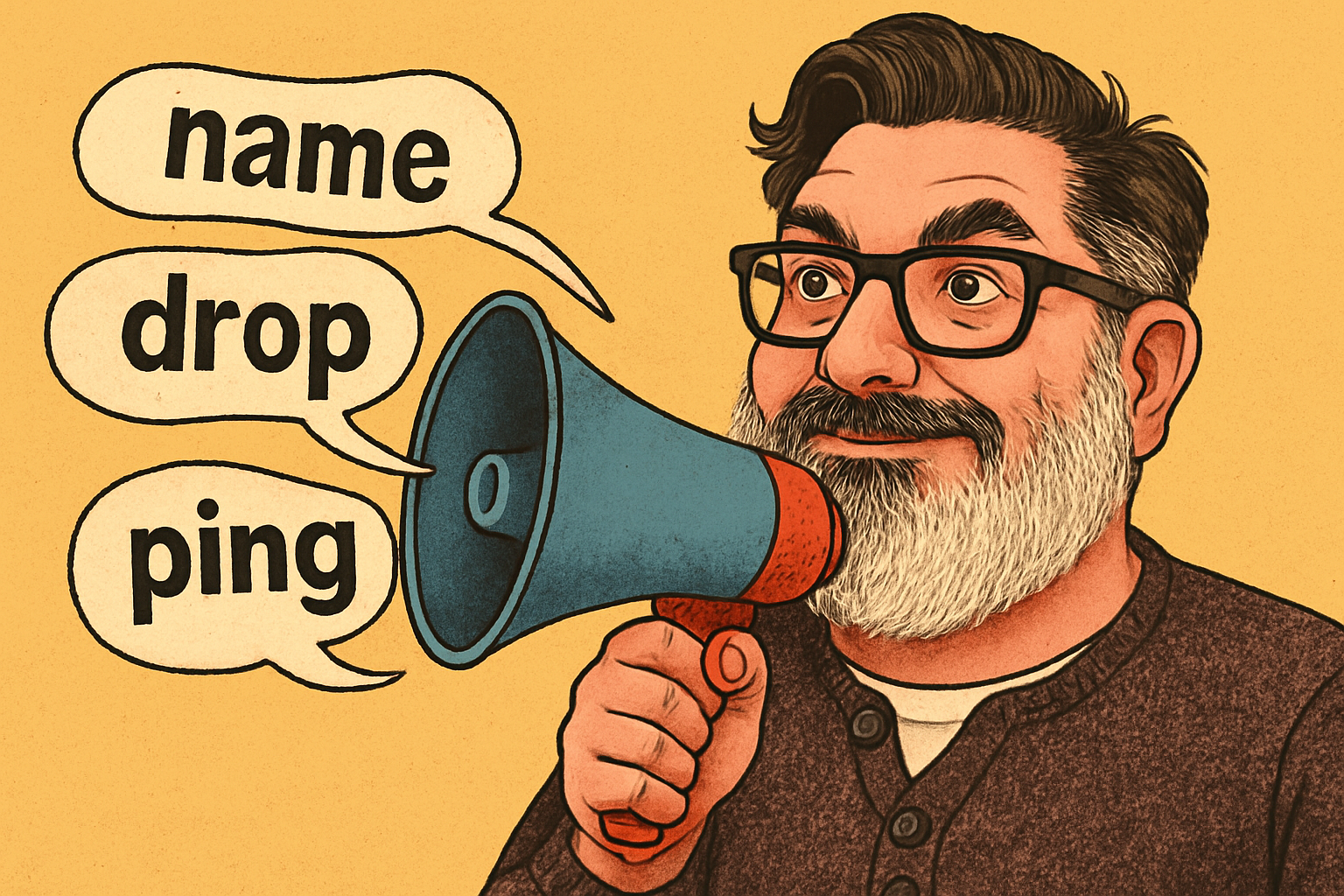
I’m constantly name-dropping. Not celebrities. Not influencers. Cousins. Colleagues. Random friends. That guy Steve Hoechester who said one thing at lunch that hijacked my brain for a week.
Here’s why: I genuinely believe that credit is a form of currency, and I like to be rich in the stuff that actually matters.
Yes, I can come up with ideas on my own. Hell, I’m good at it. (Like, "could monetize it in my sleep" good.) But the truth is, something special happens when you let other people into the process. A conversation. A book. A line in a podcast. It’s not just inspiration, it’s ignition. These interactions don’t just give me ideas. They accelerate them. Sharpen them. Sometimes they slap me in the face and say, "Hey dummy, go this way."
Better Is Better (That’s Why They Call It Better)
Every once in a while, someone drops a sentence so simple, so unpolished, so delightfully obvious that it hits you straight in the soul like a folding chair in a WWE match.
For me, it happened last week.
I was talking with my cousin. She’s cool. She’s fun. She’s wildly successful in that effortless “Oh, I didn’t realize you were on that board” kind of way. We were bouncing around ideas about travel and food and all the things that make life feel like more than just a to-do list.
Then she said this.
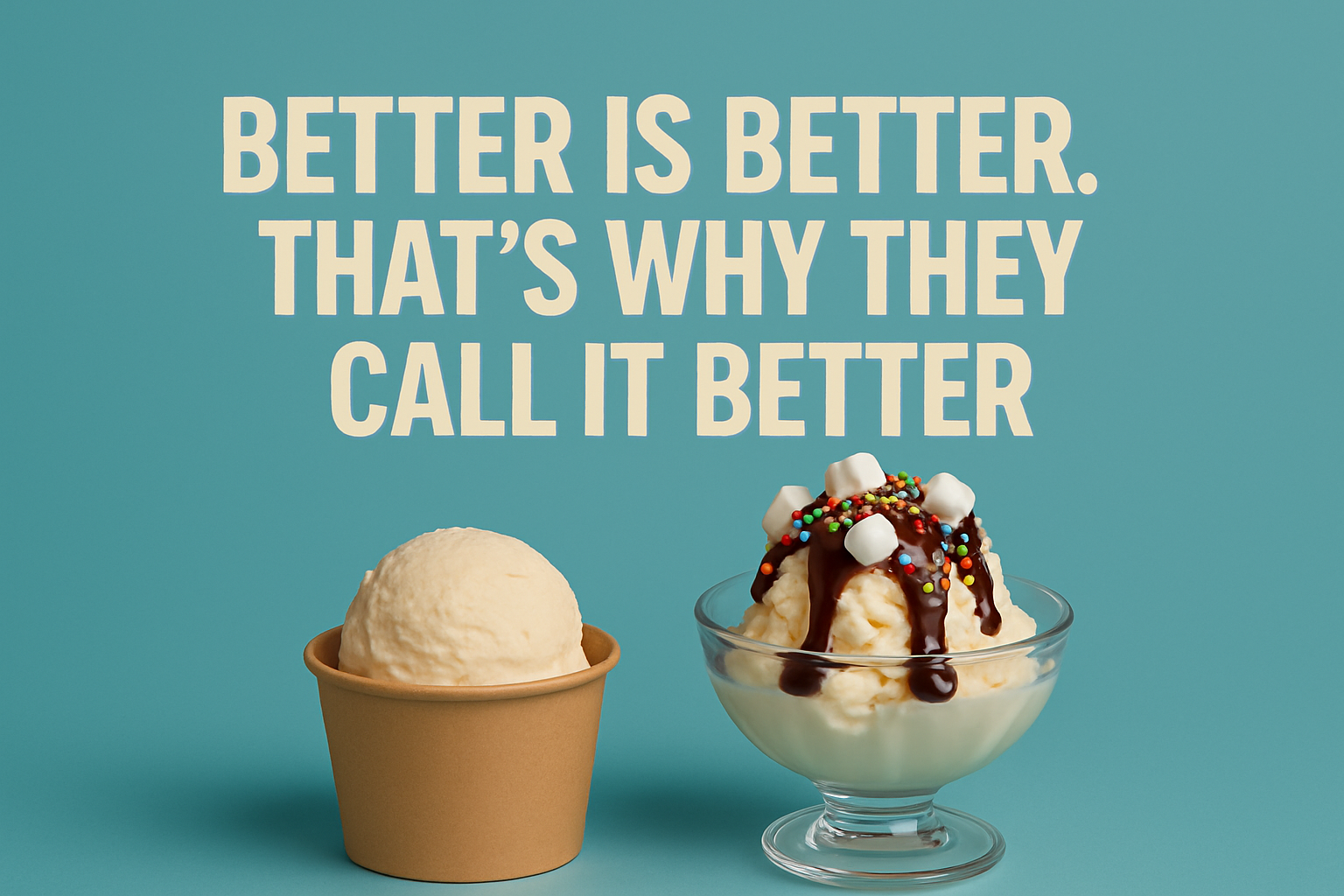
“Do you know why they call things better? Because better is better. That’s why they call it better.”
I swear to you, time froze for a second.
Just Do The Fucking Work
Every once in a while, someone drops a sentence so simple, so unpolished, so delightfully obvious that it hits you straight in the soul like a folding chair in a WWE match.
For me, it happened last week.
I’m uninspired.
Not creatively blocked. Not out of ideas. Not “searching for my muse.” I’m just worn down. Pneumonia has been riding me like a rented mule, and on top of that, someone I love, a family member, is reaching the end of his life. It’s a double-header you don’t train for. And yes, I know I’m the guy known for having energy that borders on cartoon physics… but even Wile E. Coyote hits the canyon floor sometimes.
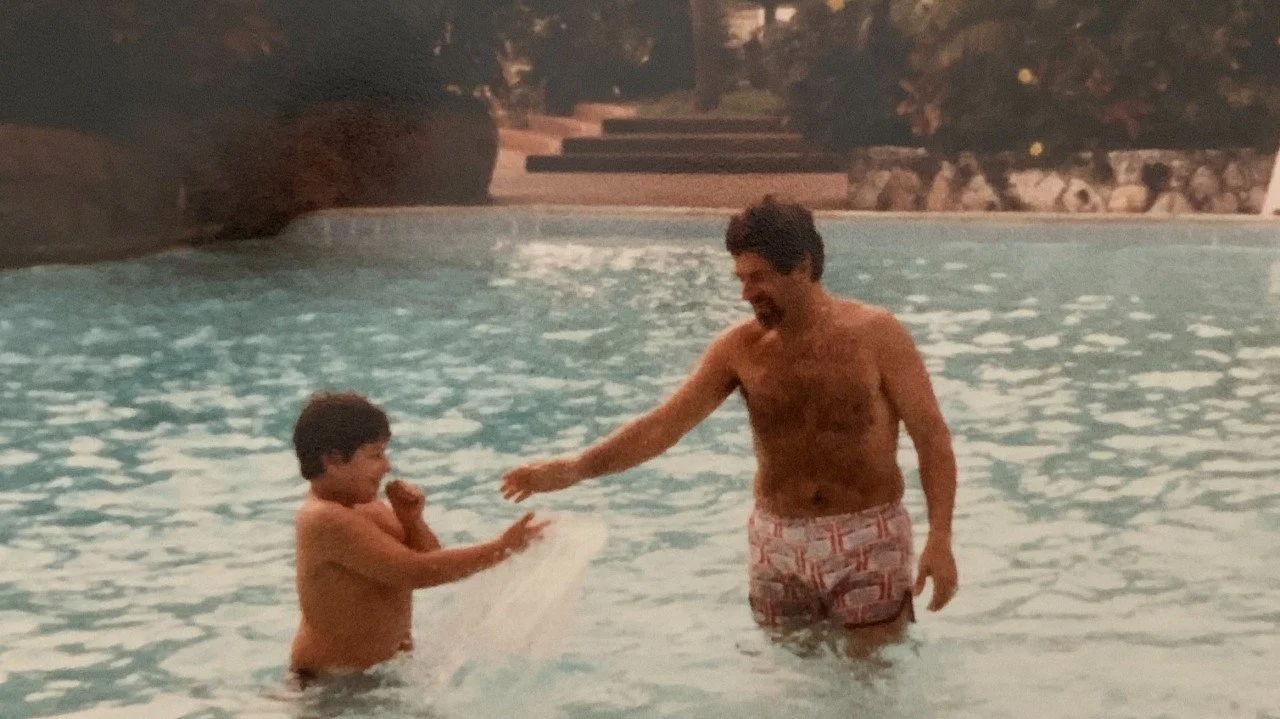
And when life starts to wobble like this, my mind does what it always does. It goes straight to my dad.

The Creative Process Is Broken. Here’s How I Fixed It
The next few posts are going to be me talking about my book, not because I’m obsessed with myself (well, maybe a little), but because I think you’ll actually get something out of it. You knew I wrote a book, right?
Let’s be honest: the word creative doesn’t mean much anymore.
Every company says they’re creative. Every marketing deck has a section called “Big Ideas.” Every brainstorm starts with someone saying, “No idea is a bad idea!” before immediately shooting down the first one.
Meanwhile, everything looks the same. The same fonts. The same slogans. The same video that opens with “It starts with a spark…”

I Don't Always Like Who I Have Become.
When I founded The Idea Integration Co., it was just me, a lot of cream soda, and a healthy appetite for McDonald's. I started this thing with nothing but the confidence that I could eat like a raccoon out of garbage bins if I had to, and I’ve done it more than once. Because when you’re building something from scratch, survival is part of the budget.
And yeah, I took massive risks. The kind of risks that make people either whisper "that guy’s unhinged" or ask for my card. Like when I bought a billboard that said, "Need a Traci Lords Idea?"
Are Branding Principles Holding Back Creativity?
Let me hit you with a truth bomb: if your branding principles are holding back your creativity, your branding sucks.
Branding isn’t supposed to fence you in. It’s supposed to fuel you. It’s not a cage, it’s a springboard. The best branding doesn’t limit ideas, it sharpens them. It gives your creativity edges, so when it hits the audience, it leaves a mark
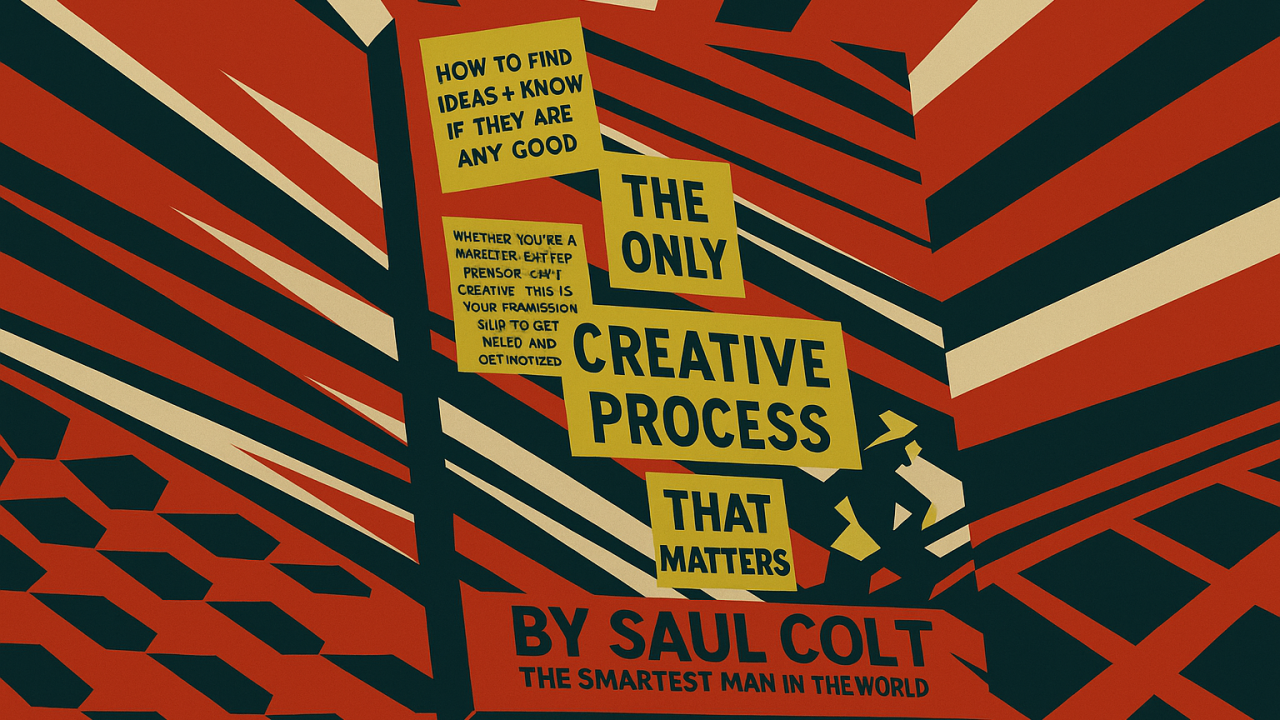
The Only Creative Process That Matters: A Manifesto
My last post got the least number of views I’ve ever received. Lesson learned: don’t post a half-naked photo of yourself, apparently the algorithm doesn’t love dad bod chic.
So to make it up to the internet (and boost my numbers), I’m taking a page from the Unabomber (not the bombing part, just the manifesto part) and writing one of my own.
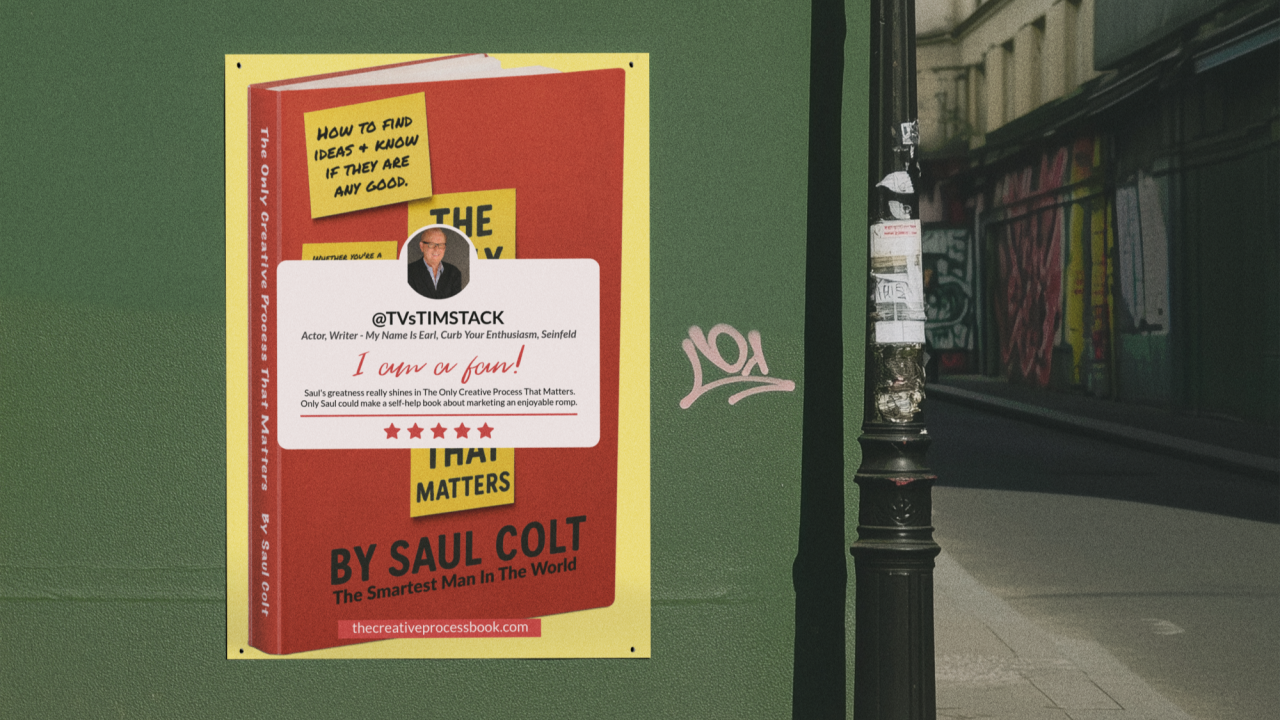
This one isn’t about tearing down society. It’s about why you should buy my book: The Only Creative Process That Matters.

Why I Post So Much And Kinda Live In Public.
Let’s get this out of the way: the phrase "executive branding" feels gross. It sounds like something your niece does on TikTok. Something with ring lights and hashtags. But here’s the truth, and it took me two decades online to realize it: Posting a lot and kinda sharing a lot of stuff isn’t about ego. It’s about access.
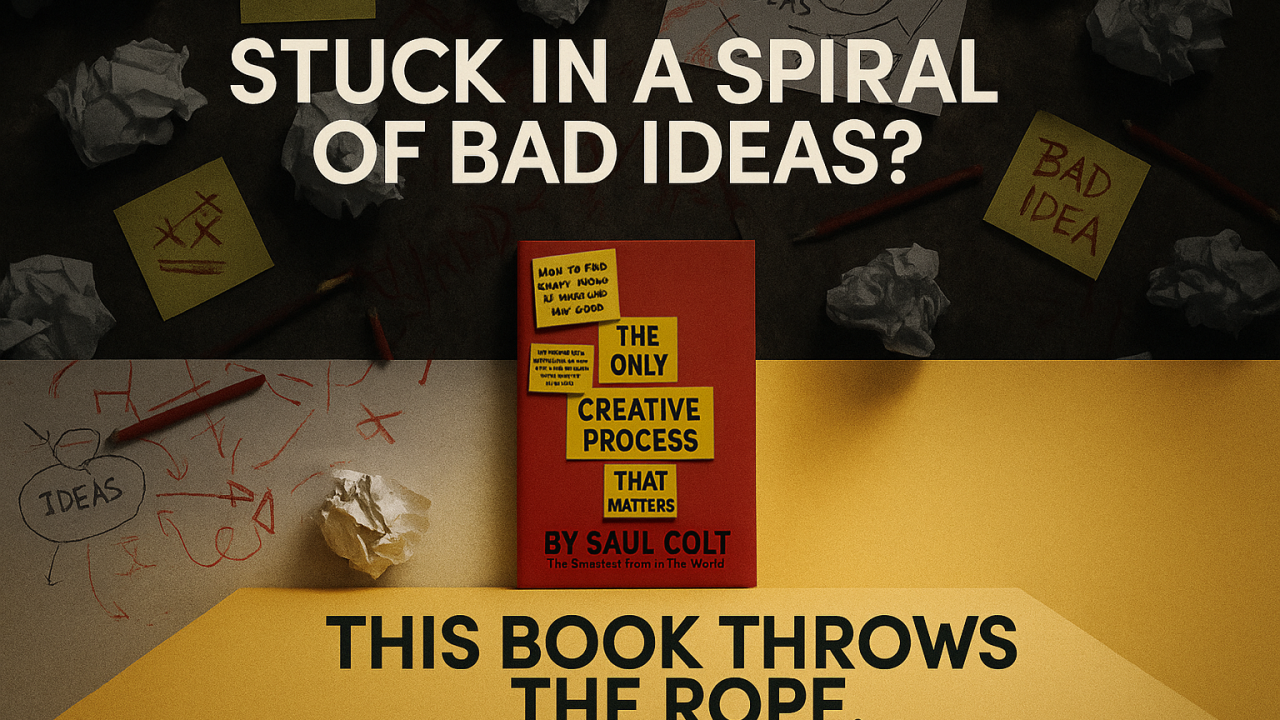
Do you love yourself? If you do you should buy my book.
Alright, let’s be honest:
If you’re only planning to read one book this year... you’re probably either lying, burned out, or watching too many Instagram reels about books without actually opening one.
And hey, no judgment, we’ve all been there.
But if you are going to read one book this year? Make it Shoe Dog. Seriously. That book is a masterpiece. I’ll carry Phil Knight’s sneakers to thank him for writing it.
Now... if you decide to read two books this year?

Ryan Reynolds Is To Advertising What Shien Is To High Fashion.
Let’s talk about Ryan Reynolds.
Actor? Yes. Charming? Sure. Canadian? Absolutely. But marketing genius? Pump the brakes, ADWEEK .
Once again, the advertising world is tripping over itself to praise the man like he’s the second coming of David Ogilvy, all because of a shiny little PR diversion masquerading as a brand campaign. If you missed it, Ryan Reynolds' agency (Maximum Effort — ironic name for what amounts to TikTok-level commitment) recently dropped an ad for a tech company featuring Coldplay’s “X&Y” era emotions and, get this, the Coldplay singer's ex-wife Gwyneth Paltrow is in the creative. That’s right, they used a connected celebrity as a smokescreen to rewrite the headlines and change the public narrative on the CEO cheating scandal.
And everyone’s clapping like trained seals at SeaWorld.
It’s OK to Come Back. Seriously.
There’s something I need to say, and I hope it reaches the right people.
It’s OK to come back. Really. No guilt. No shame. No awkward silences required.
Earlier this year, my company lost three projects to “AI.” That’s not code for another agency, it’s literal. The clients decided they could do what we do in-house using AI tools instead of a team of human creatives.
Experiential Marketing Is on Life Support... But It Shouldn't Be.
I keep Google Alerts for a handful of things: my name (obviously), my book title, a few brands I admire (or envy), and the term “experiential marketing.”
That last one used to be my favourite alert.
Every few days, I’d get a little gem in my inbox, a recap of a jaw-dropping installation in Tokyo, a campaign that took over an NYC subway station, or some mind-bending immersive stunt in London that made people stop in their tracks and feel something.
I Wrote A Book And You Should Buy It.
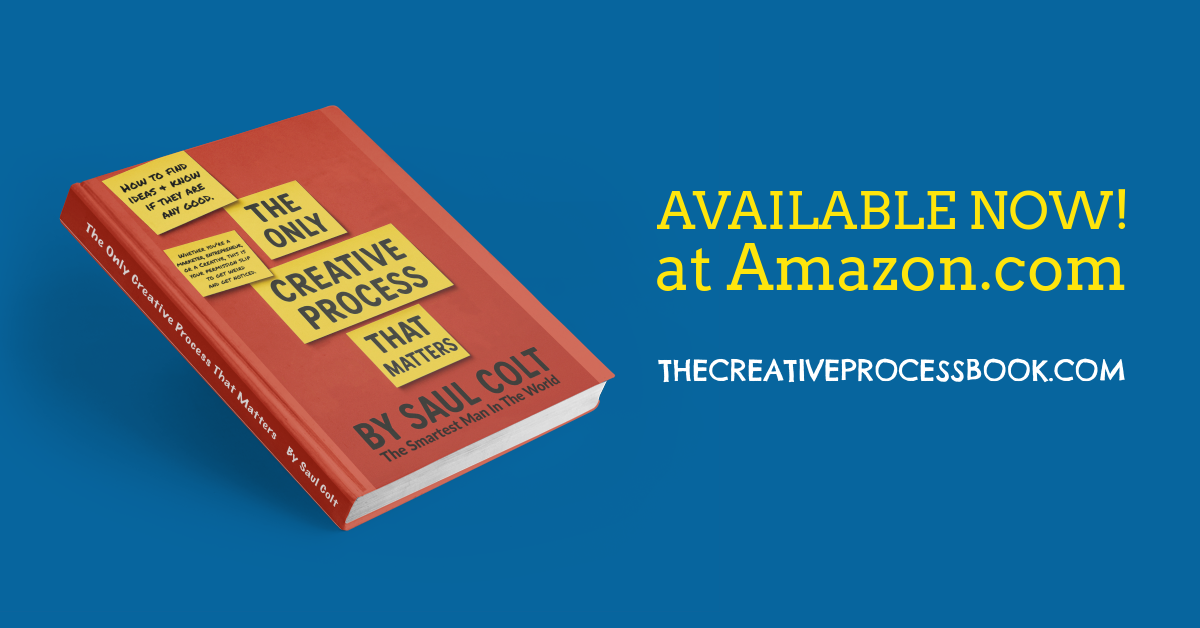
So why did I write a book? Truthfully, it is not because I thought the world needed another book about creativity. (There are already too many that say the same high-level thing in different fonts.) I wrote it because I’ve spent 25 years in the trenches, the foxholes, the back alleys launching brands, blowing minds, and building ideas that actually work, and I wanted to finally put everything I know into one place.
It’s called The Only Creative Process That Matters. And yes, the title is pretty tame compared to the content inside.
Marketing is not a tech stack, it is a mind game.
You can have the fanciest CRM, the prettiest dashboards, and a 52-step drip sequence, but if you don’t understand how to actually get someone to stop scrolling, lean in, and care? You’re not doing marketing. You’re doing admin.
Let’s get back to basics, the human brain.
Marketing is about understanding how attention works. And more importantly, how desire is manufactured.

Loyalty Programs Are Failing. Cults Are Winning.
Let’s stop pretending a points program is going to make anyone love your brand.
Most so-called “loyalty” programs aren’t loyalty programs at all, they’re thinly veiled discount traps. Marketers bribe people with rebates, cash-back, and useless points in exchange for repeat purchases, social shares, and reviews.
It’s a transactional mess. A race to the bottom. And it commodifies your brand in the worst possible way.
What You Think Of Me Is None Of My Business. Except For Right Now.
Yesterday, I had a conversation with someone who asked me, "So, what are you up to these days?" It was a simple, casual question, but it got me thinking—people seem genuinely unclear about what I do for a living.
This isn’t a new phenomenon for me. I’ve always been a bit of an enigma, partly by design and partly because what I do doesn’t fit neatly into a single job title or industry box. Over the years, I’ve built businesses, created marketing campaigns that made headlines, orchestrated brand experiences that changed the way companies engage with their customers, and helped businesses stand out in ways they never thought possible.

I Know The Way Out.
I’ve been watching The West Wing a lot lately. I watched it when it first aired, but aside from the occasional YouTube clip, this is my first full rewatch. And let me tell you, I'm appreciating it in a whole new way.
Back then, I enjoyed it, sure, but I didn’t fully grasp the brilliance of Aaron Sorkin’s writing like I do now. The dialogue, the pacing, the depth, it’s next-level. The way Sorkin crafts conversations that are both razor-sharp and deeply human is something I completely overlooked the first time around. Maybe I just wasn’t in the right headspace back then, or maybe I’ve evolved, who knows.
Things I Learned In My 70 Years As A Business Owner.
I have been doing 1:1 personal branding coaching with people, and one of the exercises I ask them to do is write their obituary. Pretend it is 25 years in the future and write about what they accomplished. It is part aspiration (looking forward) and part self-reflection (looking backward) so people can list accomplishments that are earned and desired.