
Why You Should Start a Fight with Your Competitors in Public
Let’s just call it like it is: being nice is boring. Especially in marketing. Especially when you’re trying to get noticed in a world where everyone’s yelling, but no one’s actually saying anything worth listening to. If you want attention, you need conflict. You need drama. You need a rival.
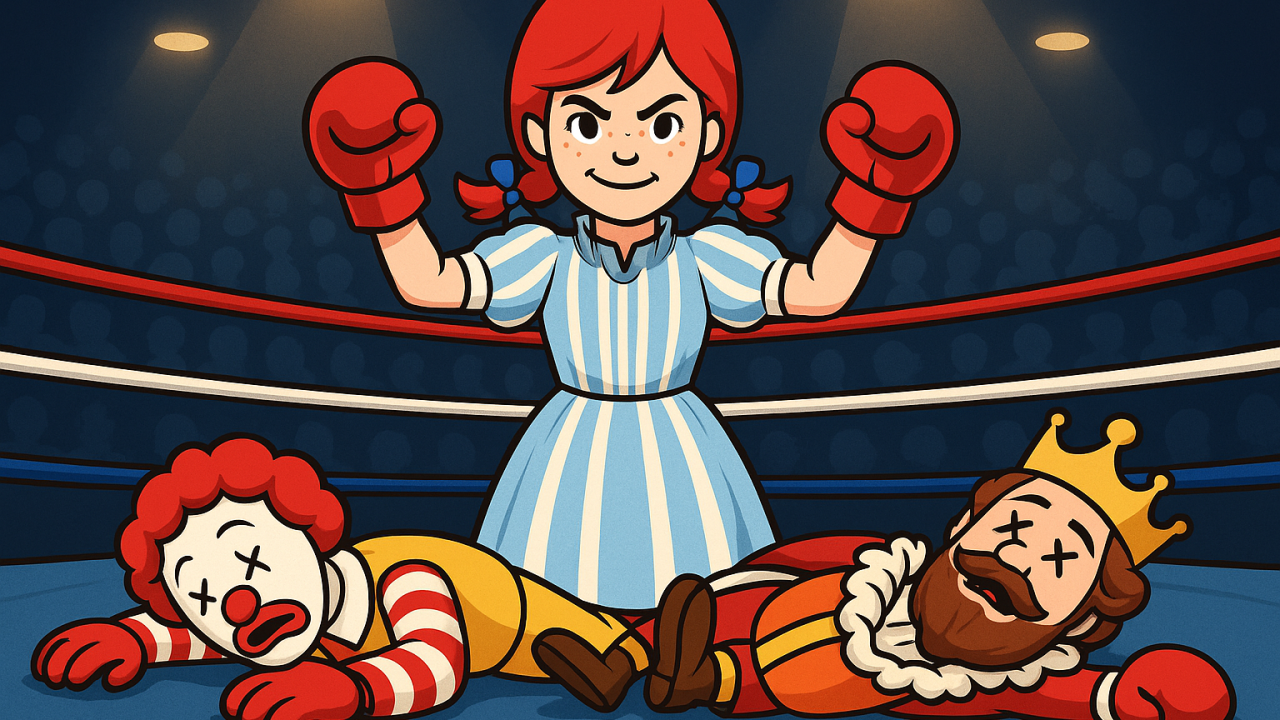
And not just any rival. You need someone to feud with in public. Think Nike vs. Adidas, McDonald’s vs. Burger King, Coke vs. Pepsi. These aren’t just brand wars, they’re modern-day myths. And they work like hell.
In the Age of AI, Trust Is the Last Thing We Truly Own
AI isn’t coming for the future. It’s already here. It’s rewriting how we search, how we work (Amazon annouced a 30k layoff the other day, directly related to AI), how we communicate, and yes, how we market, sell, and build brands. We’re not waiting for disruption anymore. We’re living inside it.
But in all the noise, all the shiny tools, the GPTs, the copilots, the endless parade of "content at scale," something essential is quietly slipping through our fingers.
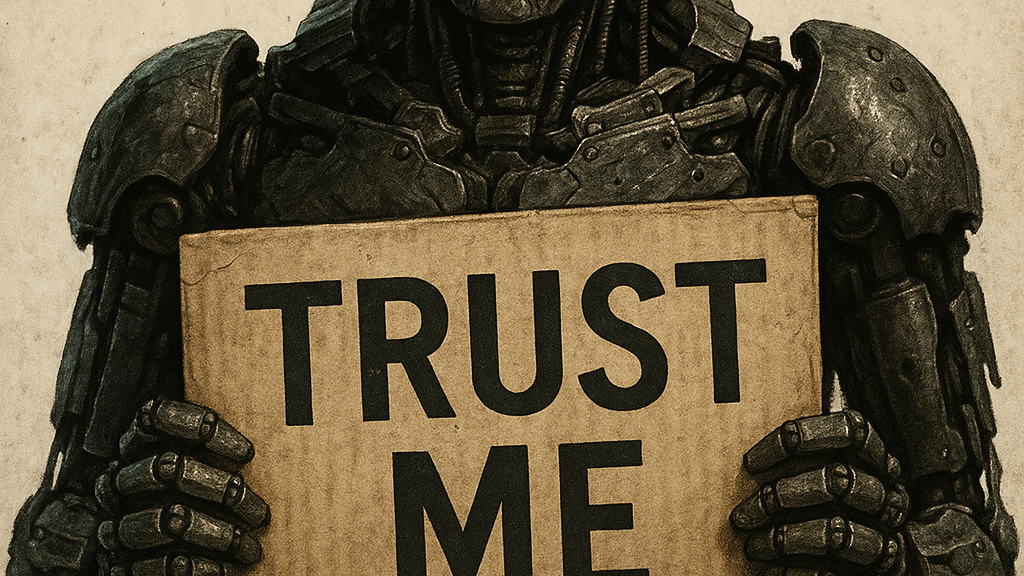
Trust.
Are Branding Principles Holding Back Creativity?
Let me hit you with a truth bomb: if your branding principles are holding back your creativity, your branding sucks.
Branding isn’t supposed to fence you in. It’s supposed to fuel you. It’s not a cage, it’s a springboard. The best branding doesn’t limit ideas, it sharpens them. It gives your creativity edges, so when it hits the audience, it leaves a mark
Fuck Doritos
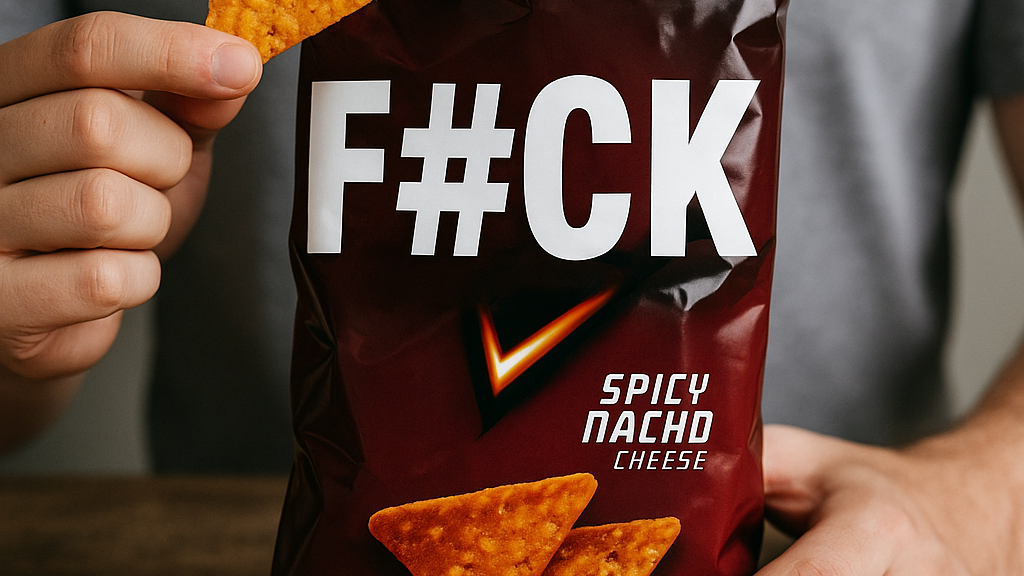
I was at the grocery store today, and I heard a guy actually say, “fuck Doritos.” Not quietly, not muttered under his breath, this was a declaration. He told four people in the aisle. Then he called someone to keep the rant going. I have no idea what triggered him, a price hike, a stale bag, an existential crisis over Cool Ranch, but the man was on a mission.
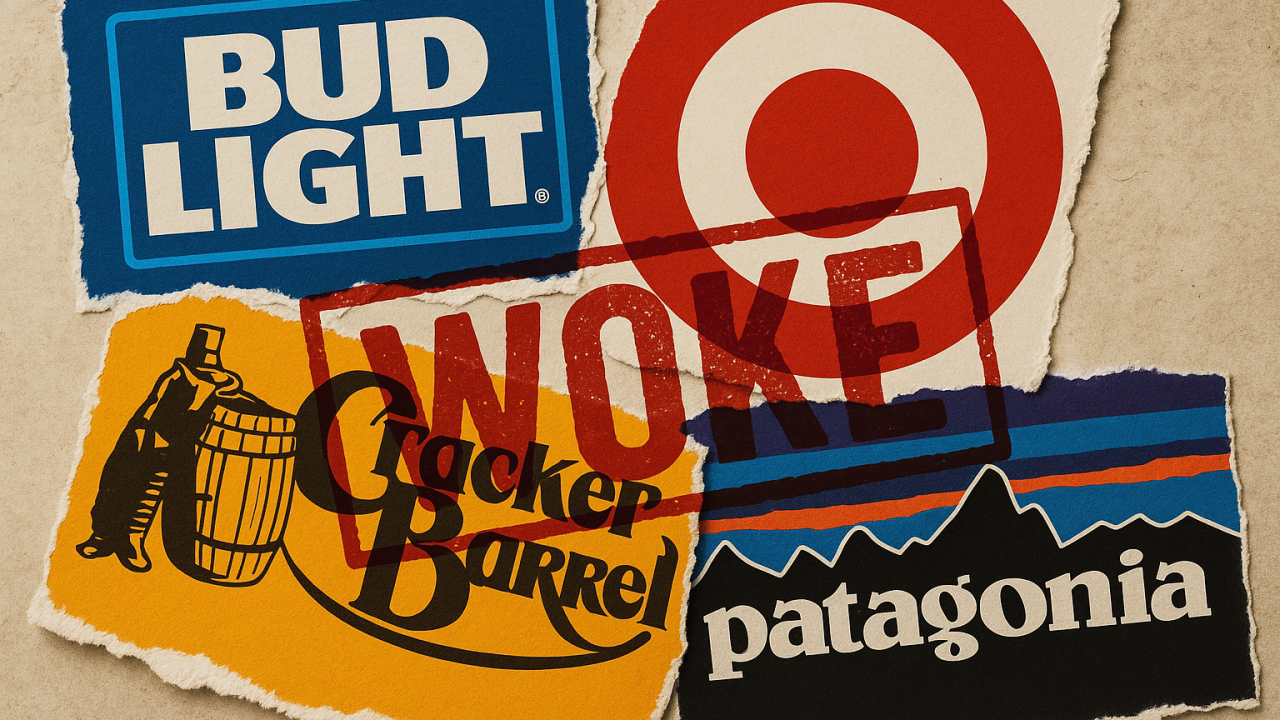
Woke-Baiting, Anti-Woke Marketing, and Why Brands Need to Pick Their Moments
Here’s the thing: anti-woke marketing works… until it doesn’t.
It’s the marketing equivalent of eating nothing but candy, sure, it gives you a quick sugar rush, maybe a stock bump, maybe even a bunch of free media coverage — but it leaves you queasy and doesn’t build a healthy brand. We’ve seen this play out with Bud Light, Target, and most recently Cracker Barrel. The data is undeniable: when anti-woke consumers get angry, they vote with their wallets, and it moves markets.
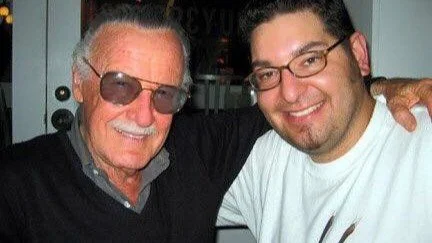
The Stan Lee Rule of Branding: Every Time Is Someone’s First Time
The first rule of comedy is: tell a joke once and it’s funny. Tell the same joke five times and it’s not funny anymore. Tell that same joke nineteen times to the same people, and suddenly it’s awkwardly hilarious.
That’s brand storytelling.
Time to Stop Playing It Safe With Your Marketing/Advertising Cause It Doesn't Matter
A funny thing happens every time a brand does something bold: social media loses its mind.
Take the recent Cracker Barrel situation. They make a simple logo change, and the comment section fills with people swearing they’ll never set foot in a Cracker Barrel again, and our beloved LinkedIn becomes well, I don't know how to describe it. From the reaction it got you would think they added plant-based sausage to the menu or told the world that the old guy in the logo is named Hershel and may be Jewish. Sales tank and then spike as new audiences discover them, and eventually the brand cements its relevance (again). The truth is this: no matter what you do, social media will scream. That’s its job, so make sure they are busy.
Social Media Isn’t Social Anymore, It’s Angry Media, And Brands Should Stay Away.
I am a pioneer of the internet. Literally one of the early ones who discovered new land and how to make a career because of it. I was there with Mitch Joel, Chris Brogan, and others and while I admire these people and hang on their every observation to this day, now I am not sure they will tell you what I am about to say. A long time ago, on what feels like a planet far far away, “social media” was about connection, and it was beautiful. In high school, I met other They Might Be Giants fans online and realized I wasn’t the only person in the world obsessing over accordion-driven nerd rock, and it made me feel less alone. Later, I met people who were doing the kind of work I wanted to do, and they gave me tips and encouragement. It was human, messy, and, yeah, sometimes even weird in a way that felt authentic.

Modernizing a 20-Year-Old Brand: What We’ve Learned, What Comes Next, and Why Playing It Safe Is the Worst Idea You Can Have
I’m real close to taking on a new project, a brand that’s been around for 20 years, and I’m speaking about it like it’s already in the bag because, frankly, it’s just a matter of time. (I’m a big believer in speaking things into existence.)
Modernizing a brand that’s been operating for two decades is no small task.

The ChatGPT Action Figure Isn’t the Problem. The Fact That Everyone’s Making the Same One Is.
Let’s talk about a trend that’s managed to be both hilarious and deeply revealing at the same time: the ChatGPT action figure.
At first, it was clever. An unexpected and playful way to anthropomorphize AI, something that lives entirely in the ether, by giving it a tangible, toy-like form. It was commentary. It was pop art. It was a joke that worked on multiple levels.