
The ChatGPT Action Figure Isn’t the Problem. The Fact That Everyone’s Making the Same One Is.
Let’s talk about a trend that’s managed to be both hilarious and deeply revealing at the same time: the ChatGPT action figure.
At first, it was clever. An unexpected and playful way to anthropomorphize AI—something that lives entirely in the ether, by giving it a tangible, toy-like form. It was commentary. It was pop art. It was a joke that worked on multiple levels.
And like all truly interesting things, the first version sparked a wave of copycats.
Then came the flood.
Now, we’re drowning in an endless stream of the same thing: The same packaging template. The same joke structure. The same ironic nods to prompt engineering and hallucinations.
What was once an imaginative idea has become the equivalent of a bad photocopy. Not even a second-generation photocopy, the kind you make after someone else has already worn out the toner.
And that’s the real story here.
This trend isn’t just about ChatGPT. It’s about how quickly original ideas get flattened by the need to participate. To belong. To be in on it.
The ChatGPT action figure isn’t the problem. The problem is our collective rush to recreate cleverness without adding anything new.
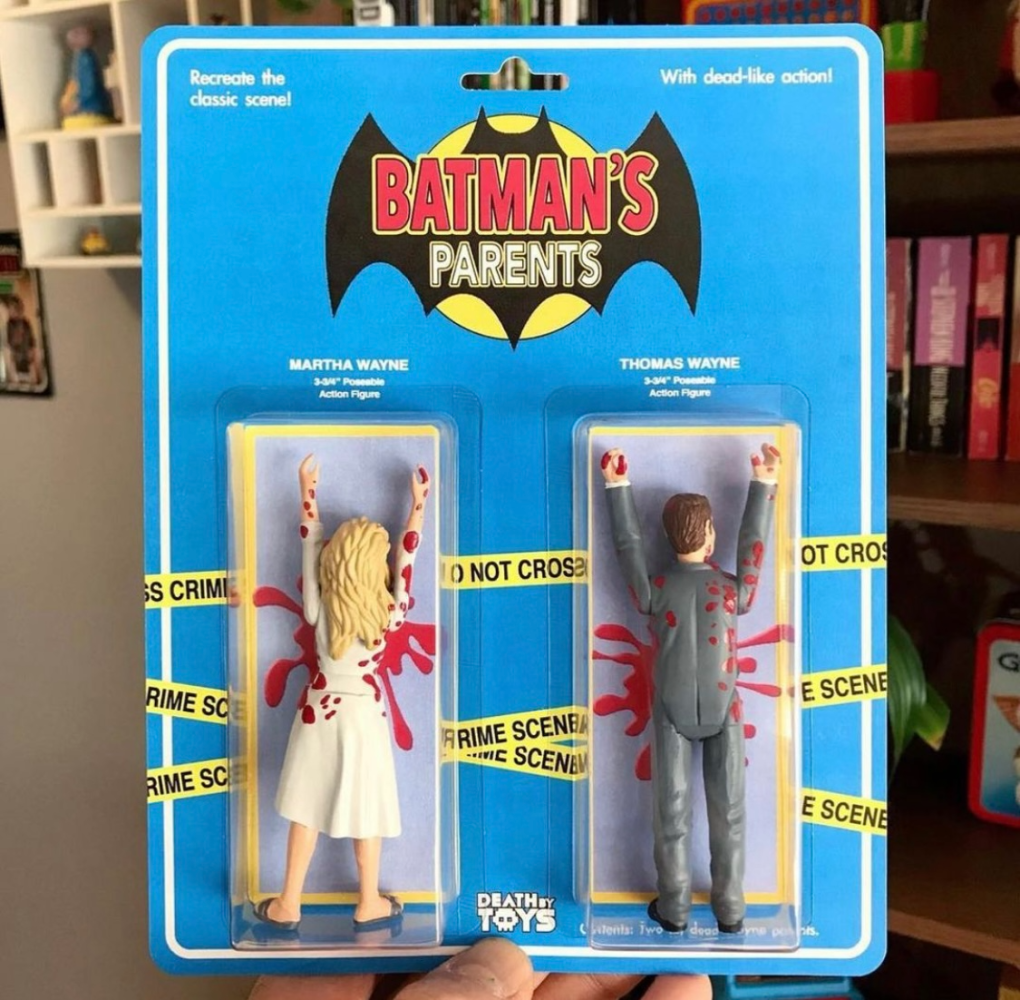
The Trend is a Mirror, and It’s Showing Us Something Uncomfortable
In marketing and creative circles, we talk a lot about innovation. We hold brainstorms. We post inspirational quotes about disruption. We call ourselves “storytellers,” “makers,” “change agents.”
But when something genuinely clever pops up, what do we do?
We don’t build on it. We don’t subvert it. We don’t remix it with a bold twist.
We replicate it. Exactly. Repeatedly. Lovingly.
Until the entire point of the original idea is buried beneath a mountain of “look at me too” content that adds nothing.
This isn’t innovation. It’s imitation with a filter on top.
And if you zoom out, it’s a pattern that’s infecting more than just action figures.
Brands Are Doing the Same Damn Thing
This same instinct to follow instead of lead is everywhere in brand marketing.
One brand goes pink and neon? Suddenly everyone’s in their Barbie-core era.
One TikTok sound blows up? Ten thousand brands are mouthing along with forced corporate smiles.
One campaign goes retro? Everyone’s suddenly “reimagining” 1987 like it was a strategic choice and not just panic on a Monday morning Zoom call.
Marketers are so terrified of missing the moment, they don’t realize they’re all showing up to the party in the exact same outfit, and the host is starting to hate everyone.
Following a trend doesn’t make your brand relevant. It makes it invisible.
In a sea of sameness, attention doesn’t go to the cleverest. It goes to the first. Or the one brave enough to do it differently.
But Wait, What If the Trend Is the Idea?
This is where it gets tricky, right? Because sometimes the trend is the thing. Sometimes it’s commentary. Sometimes it’s a remix. Sometimes it’s about being part of the cultural current.
And yes, there is value in participating in collective cultural moments, when done with intention.
But most marketers aren’t participating. They’re copying. Blindly. Quickly. Without thinking about why.
It’s the difference between:
“I want to say something through this format.” and “I want people to know I saw it, too.”
The first is creativity. The second is anxiety disguised as strategy.
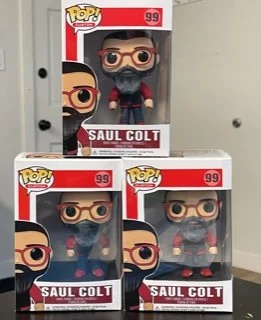
The Real Danger? We’re Teaching the Next Gen That Conformity Is Creativity
Here’s the scariest part of all this: we’re now conditioning an entire generation of marketers, designers, creators, and writers to believe that creativity means remixing what's already popular, but slightly faster than the person next to you.
When we reward virality over vision, and speed over soul, we create an industry of skilled duplicators, not original thinkers.
We’re raising marketers who know how to follow trends on TikTok but can’t create one. We’re celebrating campaigns that go viral for looking like other viral campaigns. We’re clapping for cleverness with no substance behind it.
And the more we do this, the more we water down the power of what our industry is supposed to be about: moving people. Challenging assumptions. Making things that matter.
So What’s the Alternative?
It’s not complicated. It’s just harder.
Instead of jumping on trends, interrogate them. Ask yourself:
What is this actually saying?
Why did this land culturally?
What would be the unexpected version of this?
If everyone is zigging—how do we zag?
Instead of replicating the ChatGPT action figure… What about creating a haunted version that comments on AI paranoia? What about a retro one styled like a 1980s supercomputer? What about an empty blister pack called “ChatGPT: Now With Less Humanity”?
Push it. Twist it. Make it yours. Or don’t touch it at all.
Because sometimes the boldest move isn’t jumping on the trend. It’s resisting the urge to conform.
Final Word: Make Something That Doesn’t Fit in the Blister Pack
The ChatGPT action figure trend will come and go. But the underlying problem, the rush to participate without purpose, isn’t going anywhere unless we start calling it out.
So here’s the real takeaway:
Creativity is not showing up late to the party wearing someone else’s clothes. Creativity is building the next party, and making people want to show up just to see what you’ll do next.
Be that person. Build something we haven’t seen before. Make work that doesn’t fit inside a trend-shaped box. Make work that doesn’t fit in the blister pack.
Because if you're just remixing, you're not marketing, you're imitating. And this world already has enough copies.
If you’re the kind of brand or creator who wants to push boundaries, not follow footprints, I want to work with you.
Let’s make something unforgettable.
#OriginalityMatters #CreativeMarketing #MarketingTrends #BrandStrategy #CultureBuilders #NotAnotherChatGPTFigure