Time to Stop Playing It Safe With Your Marketing/Advertising Cause It Doesn't Matter
A funny thing happens every time a brand does something bold: social media loses its mind.
Take the recent Cracker Barrel situation. They make a simple logo change, and the comment section fills with people swearing they’ll never set foot in a Cracker Barrel again, and our beloved LinkedIn becomes well, I don't know how to describe it. From the reaction it got you would think they added plant-based sausage to the menu or told the world that the old guy in the logo is named Hershel and may be Jewish. Sales tank and then spike as new audiences discover them, and eventually the brand cements its relevance (again). The truth is this: no matter what you do, social media will scream. That’s its job, so make sure they are busy.
And here’s the kicker, outrage burns fast. Today’s scandal is tomorrow’s trivia question. No one’s still talking about the Coldplay cheating scandal, and even fewer can name the company the disgraced CEO ran. Hell, people aren’t even talking about the Minnesota shooting anymore, and that was only a few days ago. Attention moves on. Anger fades. The cycle eats itself. Which means outrage isn’t the thing to fear, being ignored is.
So the only real mistake is to play it safe and make work no one notices.
My Favorite Experiment in Being “Unsafe”
Many years ago, I was hired by a major data research company to prove a point: creative should always be tested before it’s released into the wild. To demonstrate, they gave us permission to create ads so offensive, so ridiculous, they’d never see the light of day in real campaigns.
Challenge accepted.
We built three fake commpanies:
Amber Alert Lager – “for the gentleman who doesn’t care to wait.” Illustrated like a 70’s Playboy cartoon.

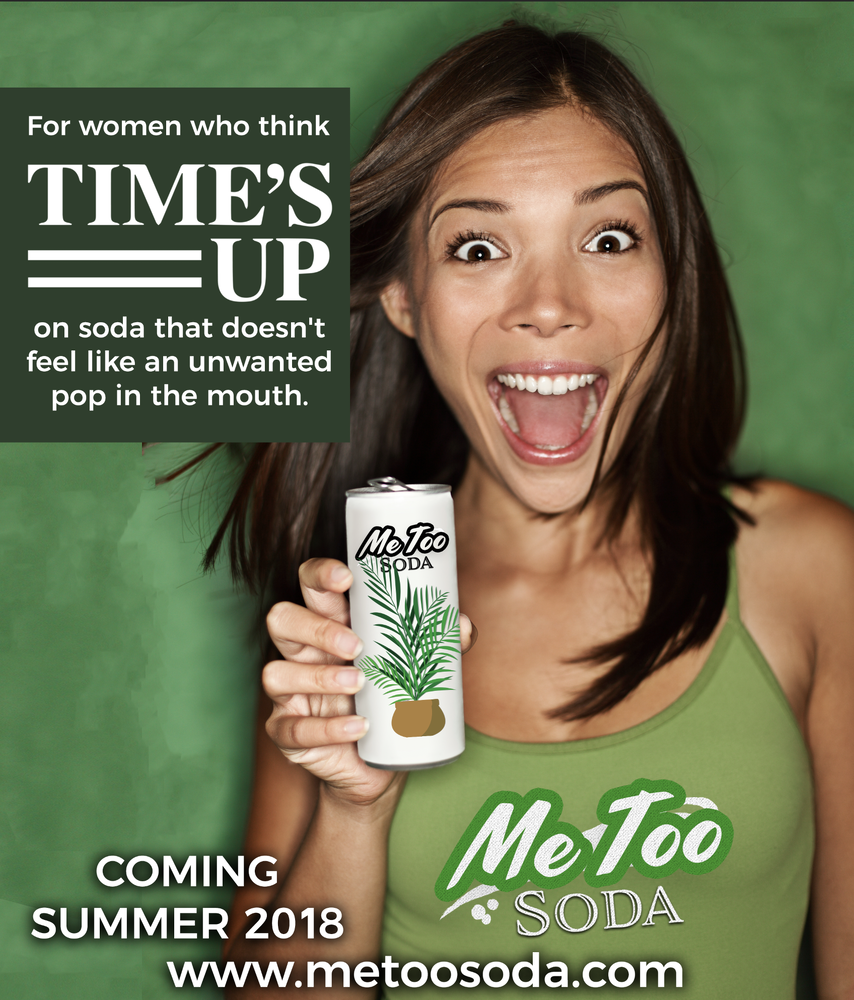
MeToo Soda – “for women who think time’s up on soda that doesn’t feel like an unwanted pop in the mouth."
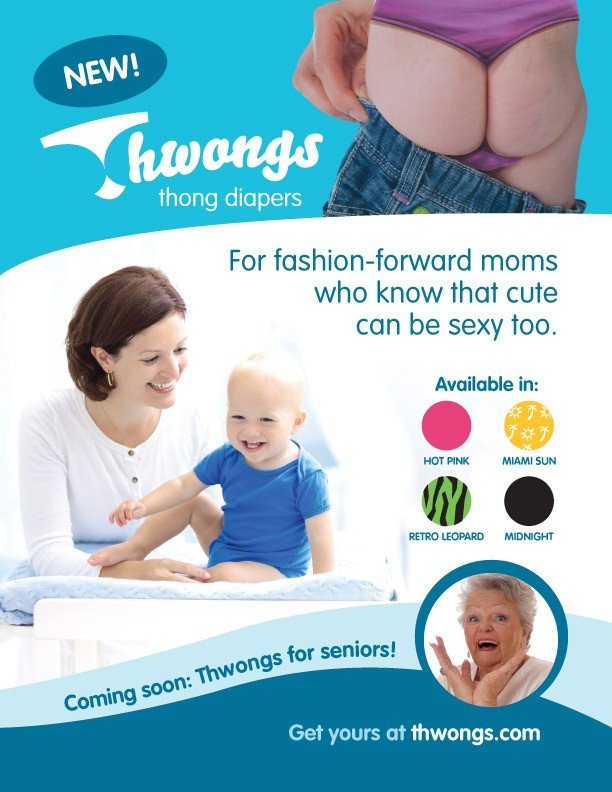
Thwongs – thongs for babies, in colors like “Retro Leopard.”
Yes, they were supposed to be offensive and awful. Yes, they were designed to make people clutch their pearls. But here’s the kicker: when we tested them, much to our surprise, they worked. They scored really high with people because they stood out and were different.
Not only did people laugh, argue, and debate them, but when we launched fake websites to push the joke further, we started getting real order inquiries on day one. We could have sold 150 cases of Amber Alert Lager without anyone ever tasting it, because it wasn’t real. We had a major retailer enquire about Thwongs....and MeToo soda, that one people didn't like and they were not supposed to.
The Actual Point
These ads were never meant to see daylight. They were meant to prove that people will find a reason to love or hate anything.
And that’s the insight:
There is a lid for every pot.
There is a customer for every product.
But you only find them if you’re willing to take a chance.
The work was intentionally offensive, but it was also beautifully designed. Because good design draws people in, even if the idea makes them recoil. And once they’re looking, emotion takes over, whether it’s outrage, laughter, or secret admiration.
Which is the real lesson here: the only sin in marketing is being ignored.
If people are never going to give you money anyway, why are you worried about their opinions? If people scream online no matter what, why not make something worth screaming about?
Playing It Safe is the Riskiest Move of All
In today’s world, staying neutral, blending in, or aiming to “offend no one” is actually the fastest way to disappear. Safe brands don’t get remembered. Safe campaigns don’t spark conversation. Safe ideas don’t sell.
So yes, test your work. Yes, understand your audience. But don’t be afraid of making a few people mad if it means making the right people fall in love.
Because bold is memorable. Bold is profitable. Bold is how brands become cults instead of commodities.
Stop playing it safe. Make something that matters.
Want help making your next bold move? Hire us. Or, if you’re not ready to hire, at least buy my book The Only Creative Process That Matters. It’ll teach you how to stop being invisible.