Why I Always Give Credit (Even When I Could Take It)
You’ve probably noticed something about my posts.
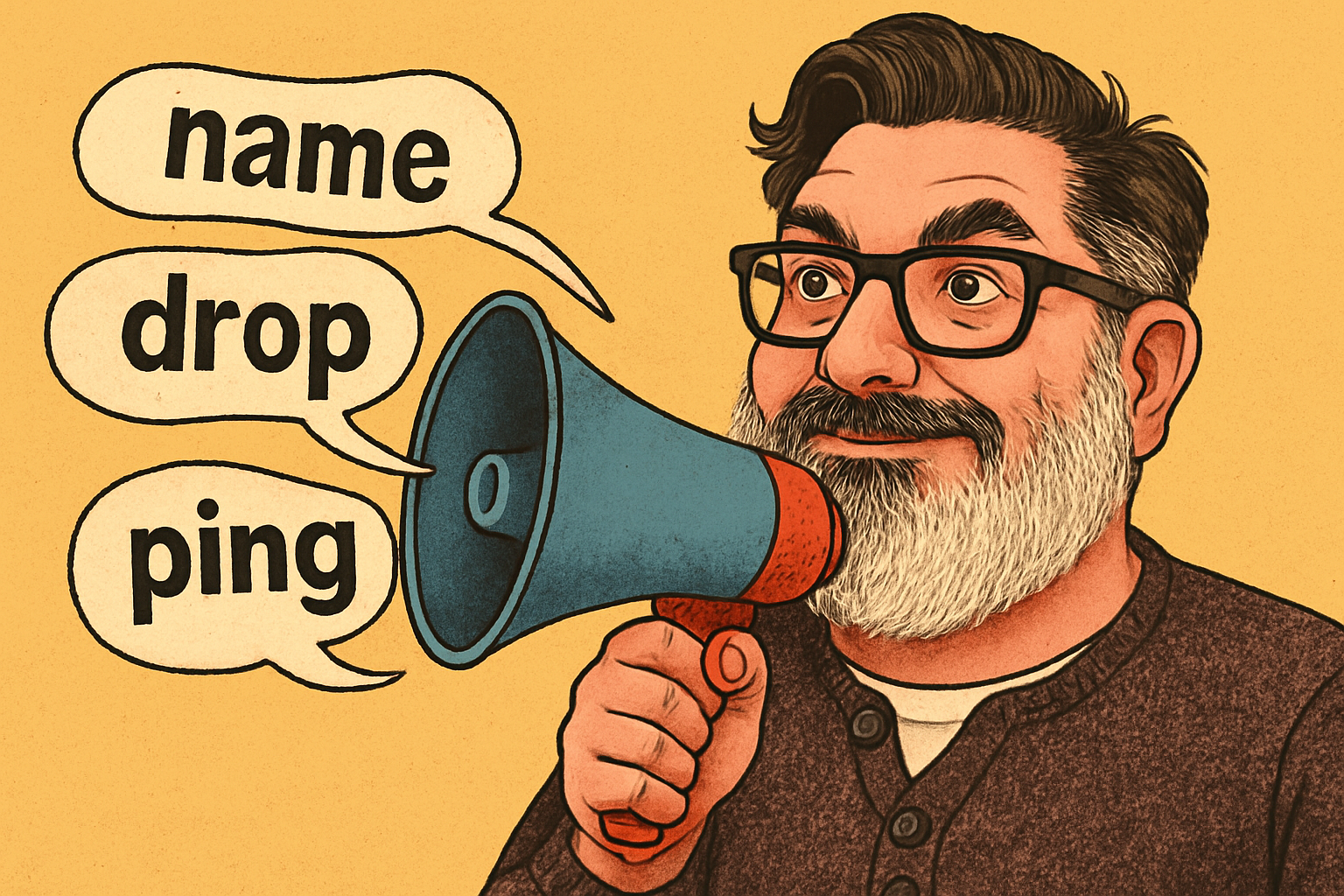
I’m constantly name-dropping. Not celebrities. Not influencers. Cousins. Colleagues. Random friends. That guy Steve Hoechester who said one thing at lunch that hijacked my brain for a week.
Here’s why: I genuinely believe that credit is a form of currency, and I like to be rich in the stuff that actually matters.
Yes, I can come up with ideas on my own. Hell, I’m good at it. (Like, "could monetize it in my sleep" good.) But the truth is, something special happens when you let other people into the process. A conversation. A book. A line in a podcast. It’s not just inspiration, it’s ignition. These interactions don’t just give me ideas. They accelerate them. Sharpen them. Sometimes they slap me in the face and say, "Hey dummy, go this way."
Better Is Better (That’s Why They Call It Better)
Every once in a while, someone drops a sentence so simple, so unpolished, so delightfully obvious that it hits you straight in the soul like a folding chair in a WWE match.
For me, it happened last week.
I was talking with my cousin. She’s cool. She’s fun. She’s wildly successful in that effortless “Oh, I didn’t realize you were on that board” kind of way. We were bouncing around ideas about travel and food and all the things that make life feel like more than just a to-do list.
Then she said this.
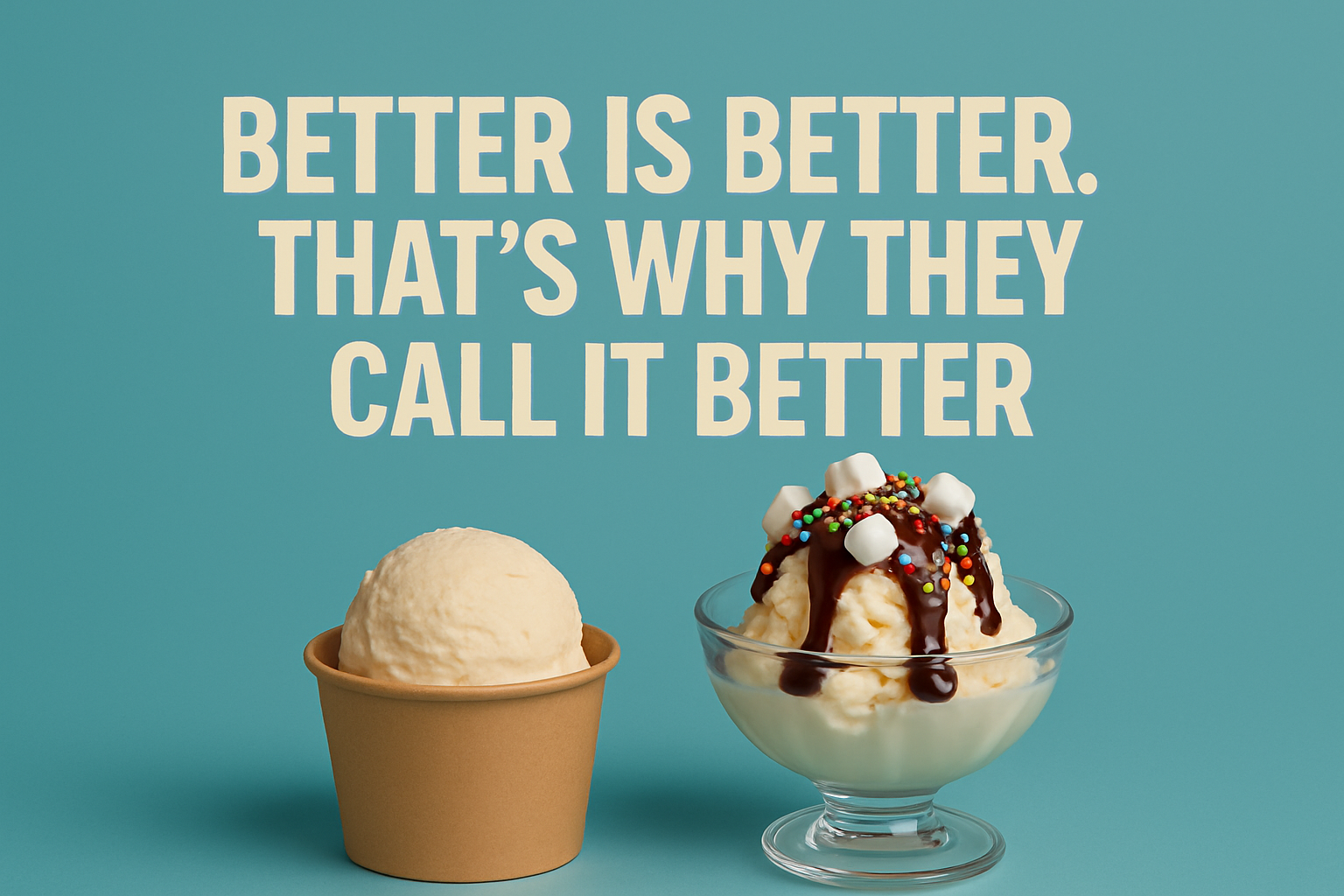
“Do you know why they call things better? Because better is better. That’s why they call it better.”
I swear to you, time froze for a second.
The Only Thing That Matters: Incrementality
Let’s just say it: Most digital marketing metrics are bullshit.
Impressions? Clicks? Views? Cute.
They look great in a deck and make everyone feel productive, but when it comes to answering the only question that actually matters, "Did this move the needle?" those metrics are basically confetti in a hurricane.
Enter the hero we don’t talk about enough: Incrementality.
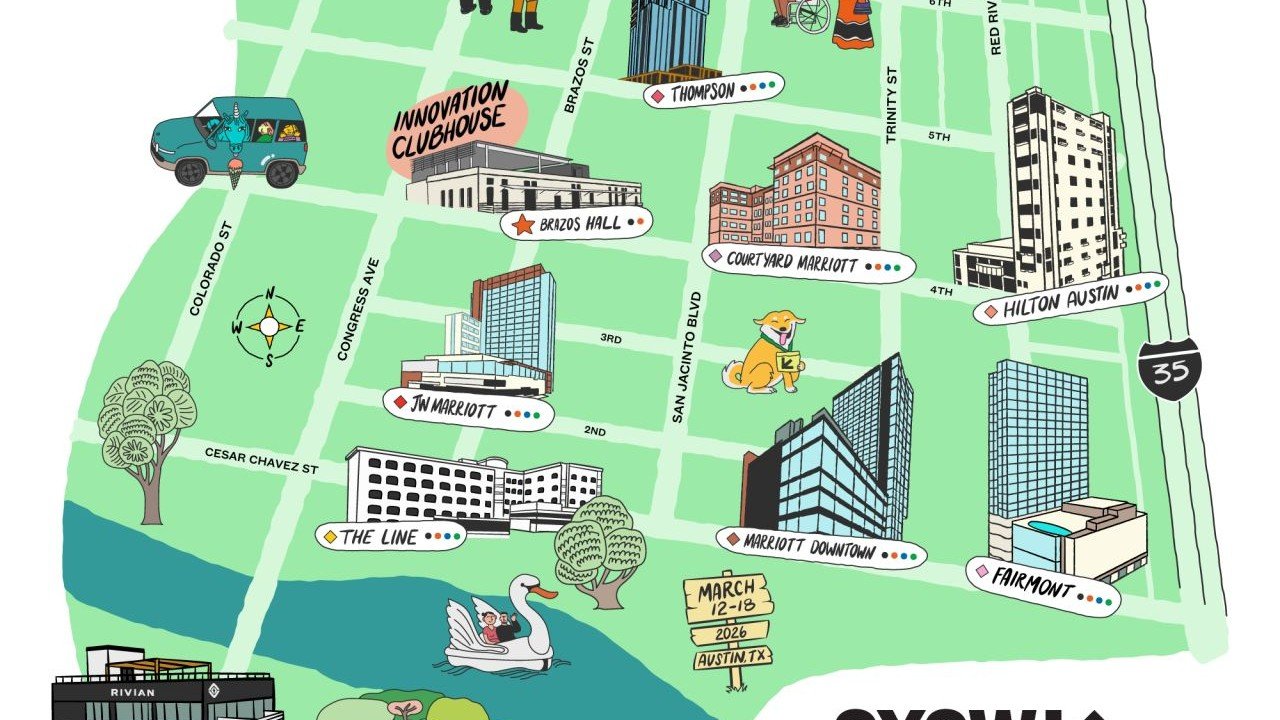
Did you ever hear the one about the SXSW Bus Stunt?
I saw a post today from Stephanie Agresta talking about SXSW and how they have reimagined the footprint of the festival. The post caught my eye because SXSW is a big part of my career.
I’ve been to SXSW eight times and seven of those were in a row, mostly with FreshBooks , but also tagging along with two other startups hellbent on making noise. And every damn year we managed to stir things up so well that we’d get a polite (but clearly annoyed) email from the organizers: "You got us this time, but we’re closing that loophole for next year."
For me, it happened last week.
I was talking with my cousin. She’s cool. She’s fun. She’s wildly successful in that effortless “Oh, I didn’t realize you were on that board” kind of way. We were bouncing around ideas about travel and food and all the things that make life feel like more than just a to-do list.
Then she said this.
“Do you know why they call things better? Because better is better. That’s why they call it better.”
I swear to you, time froze for a second.
How to Make a Marketing Idea So Bold It Scares You (and Why That’s a Good Thing)
Here’s the rule I live by: If your idea doesn’t make someone nervous, it’s probably not good enough.
The best marketing ideas don’t live in the middle of the road, that’s where roadkill happens. They live on the edge. They make people feel something. They make people talk.

The Creative Process Is Broken. Here’s How I Fixed It
The next few posts are going to be me talking about my book, not because I’m obsessed with myself (well, maybe a little), but because I think you’ll actually get something out of it. You knew I wrote a book, right?
Let’s be honest: the word creative doesn’t mean much anymore.
Every company says they’re creative. Every marketing deck has a section called “Big Ideas.” Every brainstorm starts with someone saying, “No idea is a bad idea!” before immediately shooting down the first one.
Meanwhile, everything looks the same. The same fonts. The same slogans. The same video that opens with “It starts with a spark…”
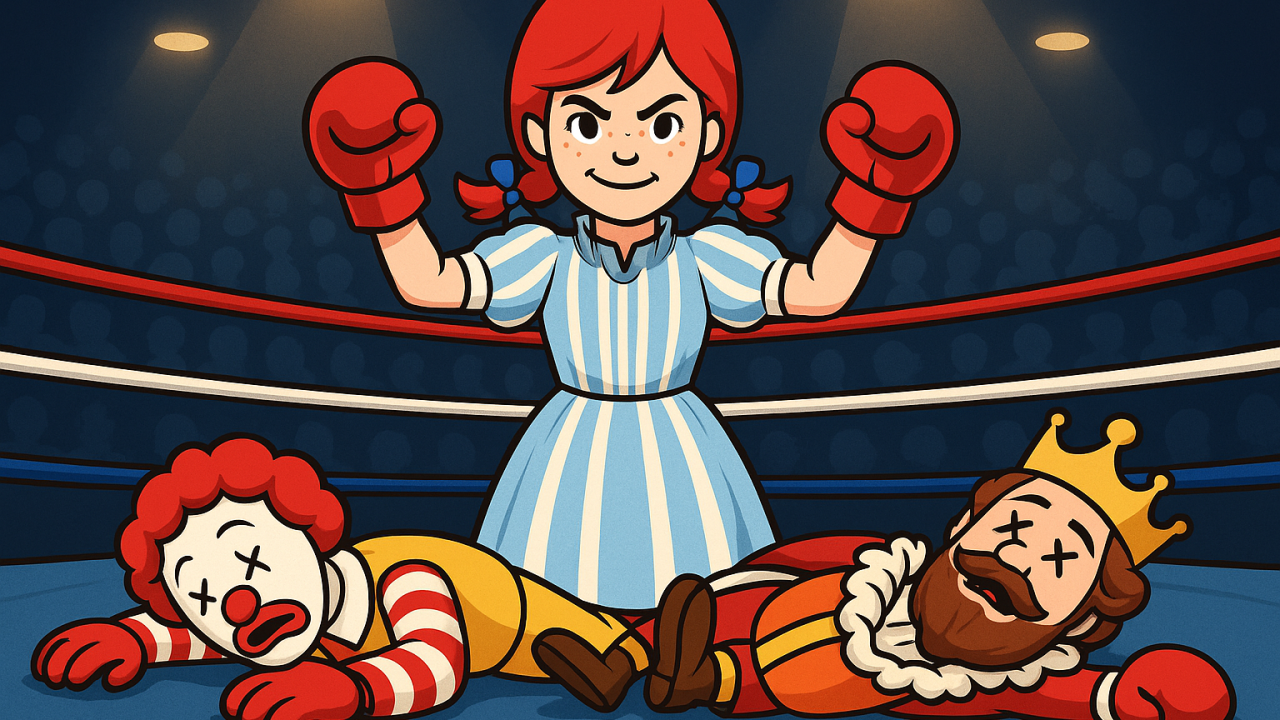
Why You Should Start a Fight with Your Competitors in Public
Let’s just call it like it is: being nice is boring. Especially in marketing. Especially when you’re trying to get noticed in a world where everyone’s yelling, but no one’s actually saying anything worth listening to. If you want attention, you need conflict. You need drama. You need a rival.
And not just any rival. You need someone to feud with in public. Think Nike vs. Adidas, McDonald’s vs. Burger King, Coke vs. Pepsi. These aren’t just brand wars, they’re modern-day myths. And they work like hell.
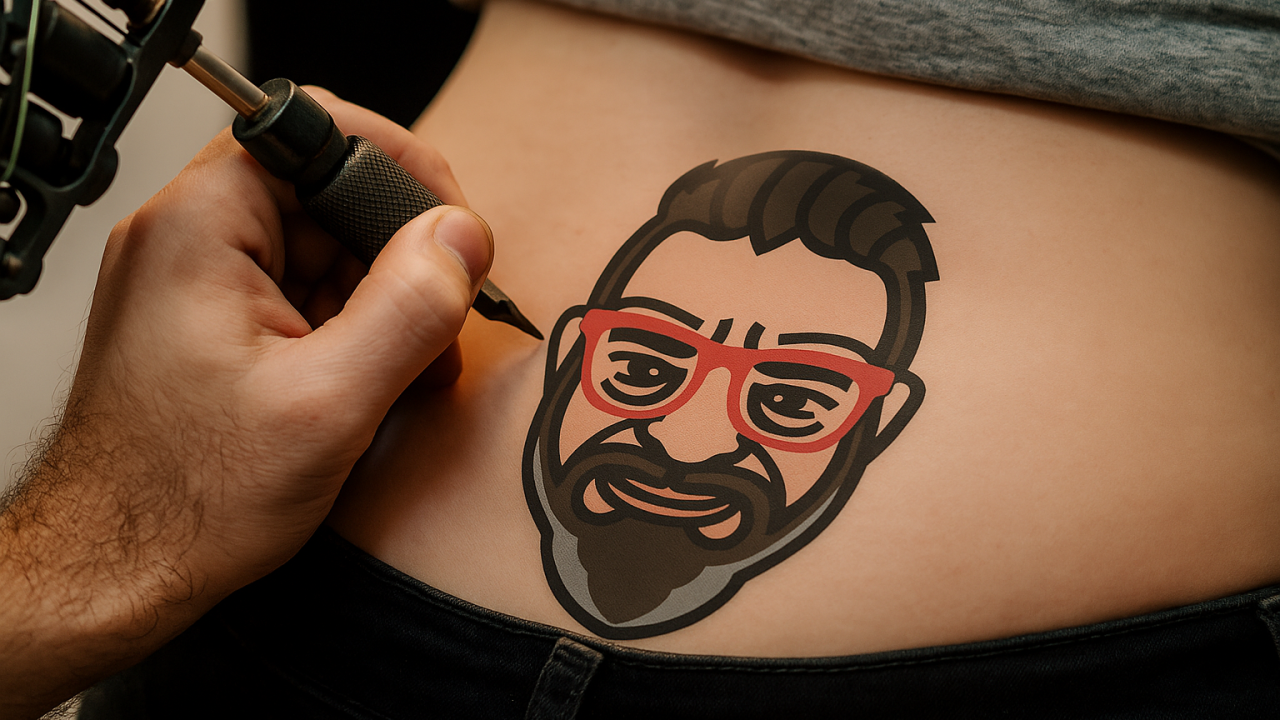
Making Love to Your Customers: 20 Years Later and Still Right
Strap in kids, cause I’m going to lay it out plain and loud: community is the only growth strategy worth your brand’s sweat and sleepless nights. And I should know, after speaking at over 300 conferences in the past 20 years, crafting a new 70‑minute keynote every single year (yes, even while sleeping half‑dead in airports), and starting with a slightly eyebrow‑raising talk titled Making Love To Your Customers (yes, that’s what it was called), I’ve come to this truth: all the flashy “growth hacks” will fade, but a fiercely loyal tribe will endure.
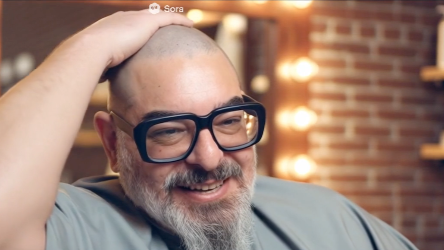
The Bald and the Bold: How “Bugonia” Botched a Brilliant Marketing Moment
Let’s get this out of the way first, the Bugonia stunt could’ve been legendary. The kind of PR moment that earns front-page headlines, floods TikTok feeds, and gets whispered about in marketing Slack channels for years.
But instead of legendary, it became lukewarm.
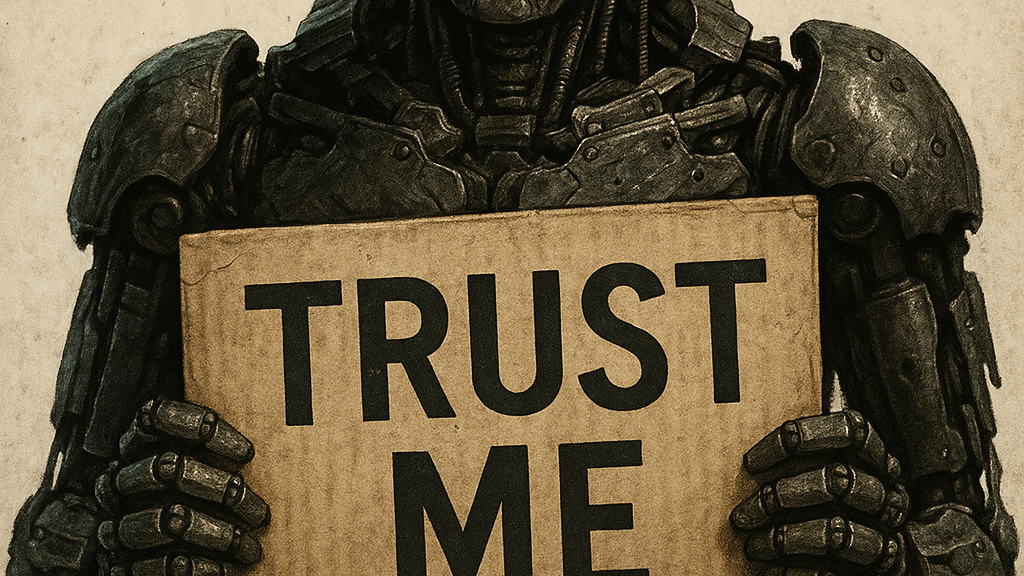
In the Age of AI, Trust Is the Last Thing We Truly Own
AI isn’t coming for the future. It’s already here. It’s rewriting how we search, how we work (Amazon annouced a 30k layoff the other day, directly related to AI), how we communicate, and yes, how we market, sell, and build brands. We’re not waiting for disruption anymore. We’re living inside it.
But in all the noise, all the shiny tools, the GPTs, the copilots, the endless parade of "content at scale," something essential is quietly slipping through our fingers.
Trust.
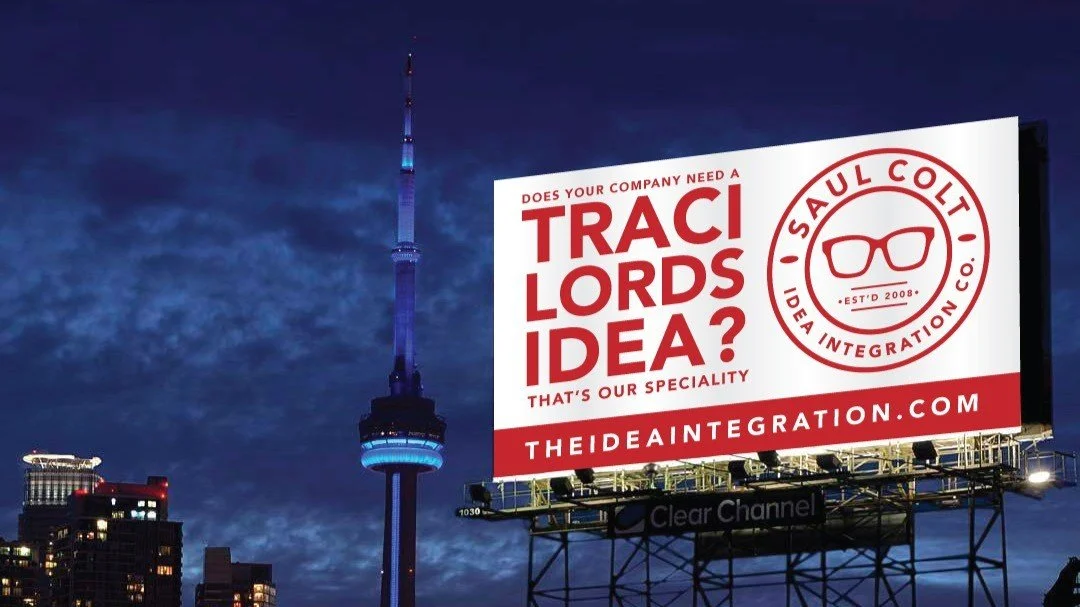
I Don't Always Like Who I Have Become.
When I founded The Idea Integration Co., it was just me, a lot of cream soda, and a healthy appetite for McDonald's. I started this thing with nothing but the confidence that I could eat like a raccoon out of garbage bins if I had to, and I’ve done it more than once. Because when you’re building something from scratch, survival is part of the budget.
And yeah, I took massive risks. The kind of risks that make people either whisper "that guy’s unhinged" or ask for my card. Like when I bought a billboard that said, "Need a Traci Lords Idea?"
Are Branding Principles Holding Back Creativity?
Let me hit you with a truth bomb: if your branding principles are holding back your creativity, your branding sucks.
Branding isn’t supposed to fence you in. It’s supposed to fuel you. It’s not a cage, it’s a springboard. The best branding doesn’t limit ideas, it sharpens them. It gives your creativity edges, so when it hits the audience, it leaves a mark
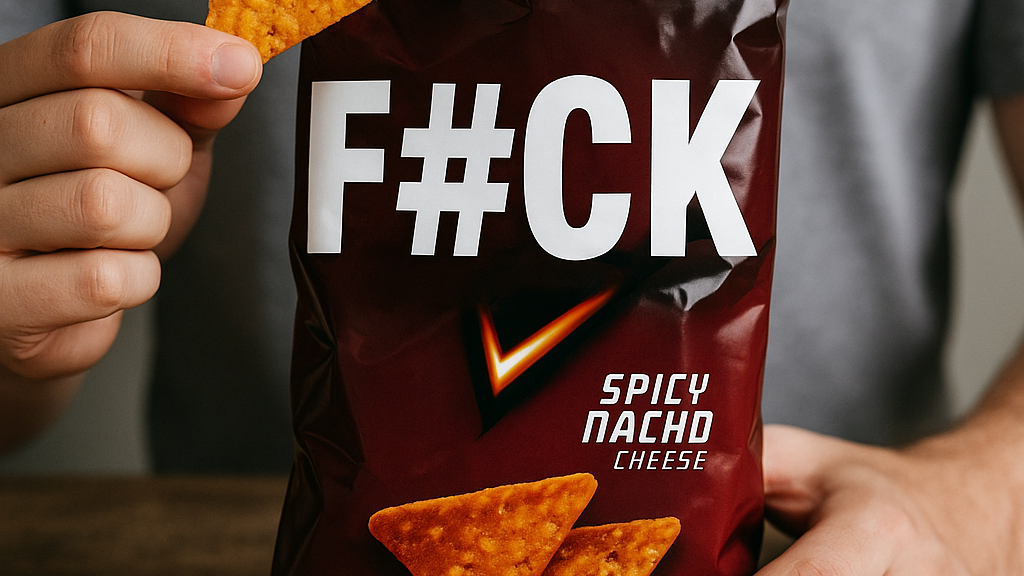
Fuck Doritos
I was at the grocery store today, and I heard a guy actually say, “fuck Doritos.” Not quietly, not muttered under his breath, this was a declaration. He told four people in the aisle. Then he called someone to keep the rant going. I have no idea what triggered him, a price hike, a stale bag, an existential crisis over Cool Ranch, but the man was on a mission.
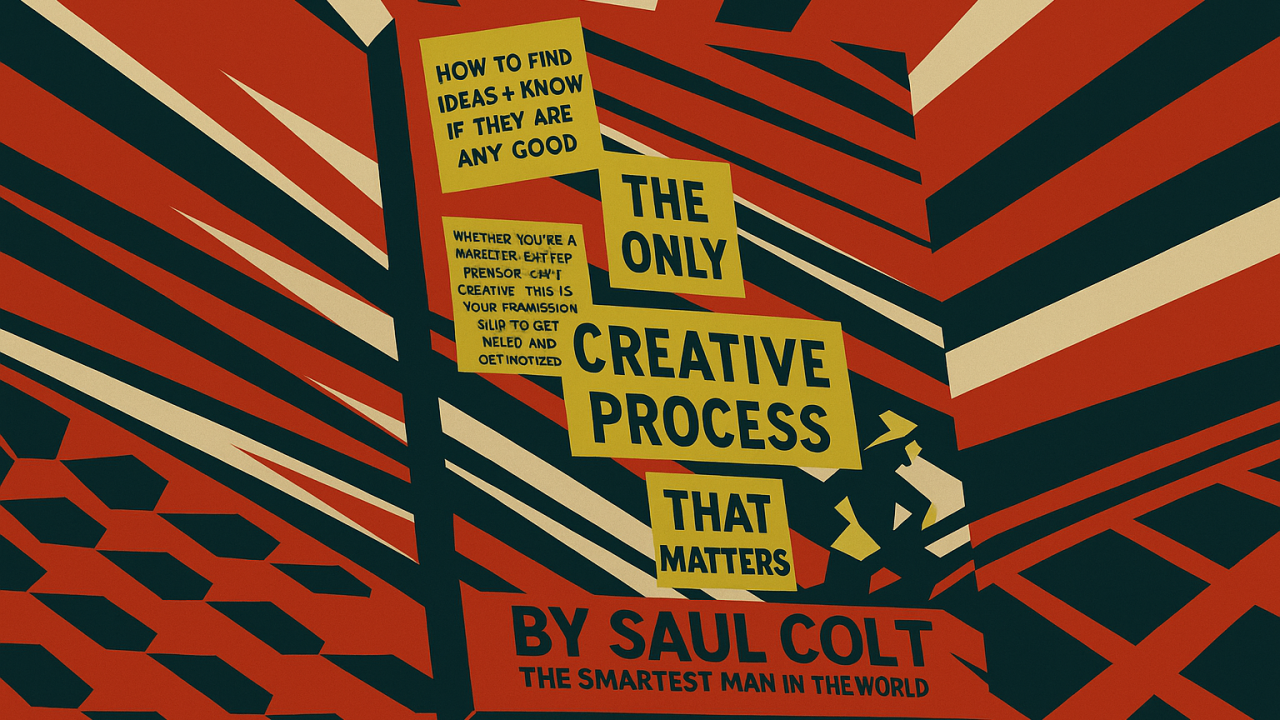
The Only Creative Process That Matters: A Manifesto
My last post got the least number of views I’ve ever received. Lesson learned: don’t post a half-naked photo of yourself, apparently the algorithm doesn’t love dad bod chic.
So to make it up to the internet (and boost my numbers), I’m taking a page from the Unabomber (not the bombing part, just the manifesto part) and writing one of my own.
This one isn’t about tearing down society. It’s about why you should buy my book: The Only Creative Process That Matters.
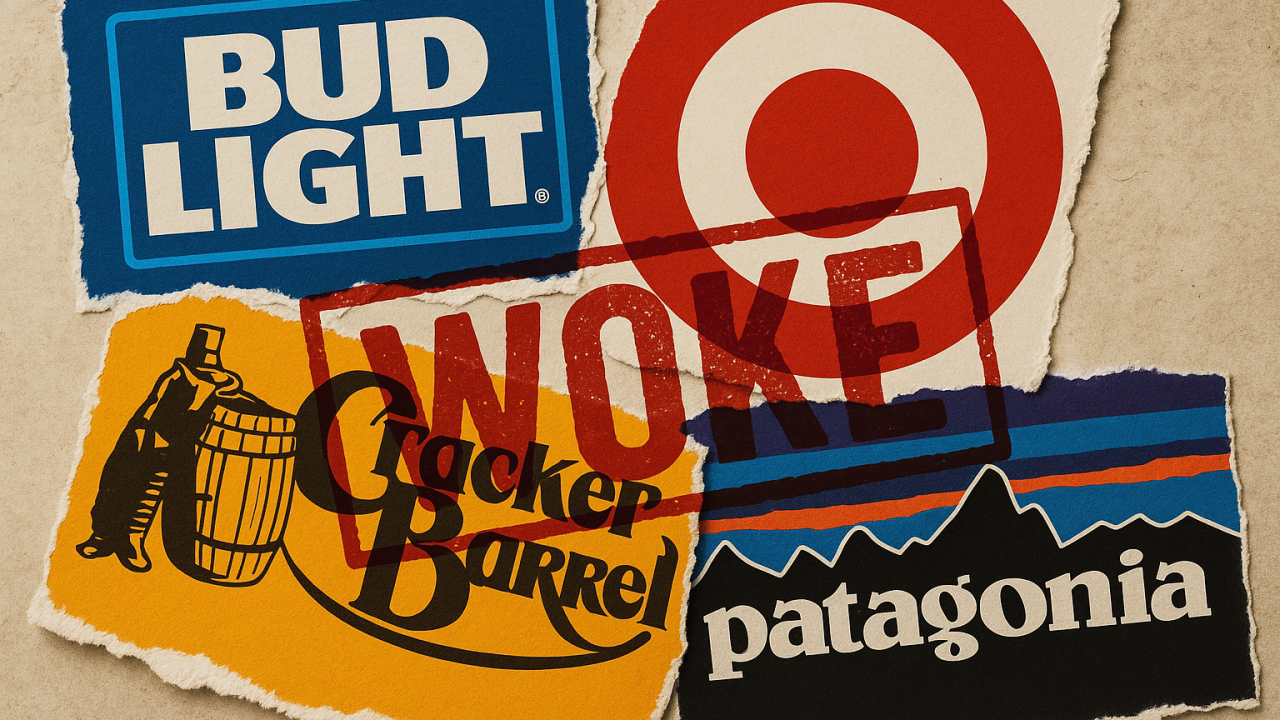
Woke-Baiting, Anti-Woke Marketing, and Why Brands Need to Pick Their Moments
Here’s the thing: anti-woke marketing works… until it doesn’t.
It’s the marketing equivalent of eating nothing but candy, sure, it gives you a quick sugar rush, maybe a stock bump, maybe even a bunch of free media coverage — but it leaves you queasy and doesn’t build a healthy brand. We’ve seen this play out with Bud Light, Target, and most recently Cracker Barrel. The data is undeniable: when anti-woke consumers get angry, they vote with their wallets, and it moves markets.
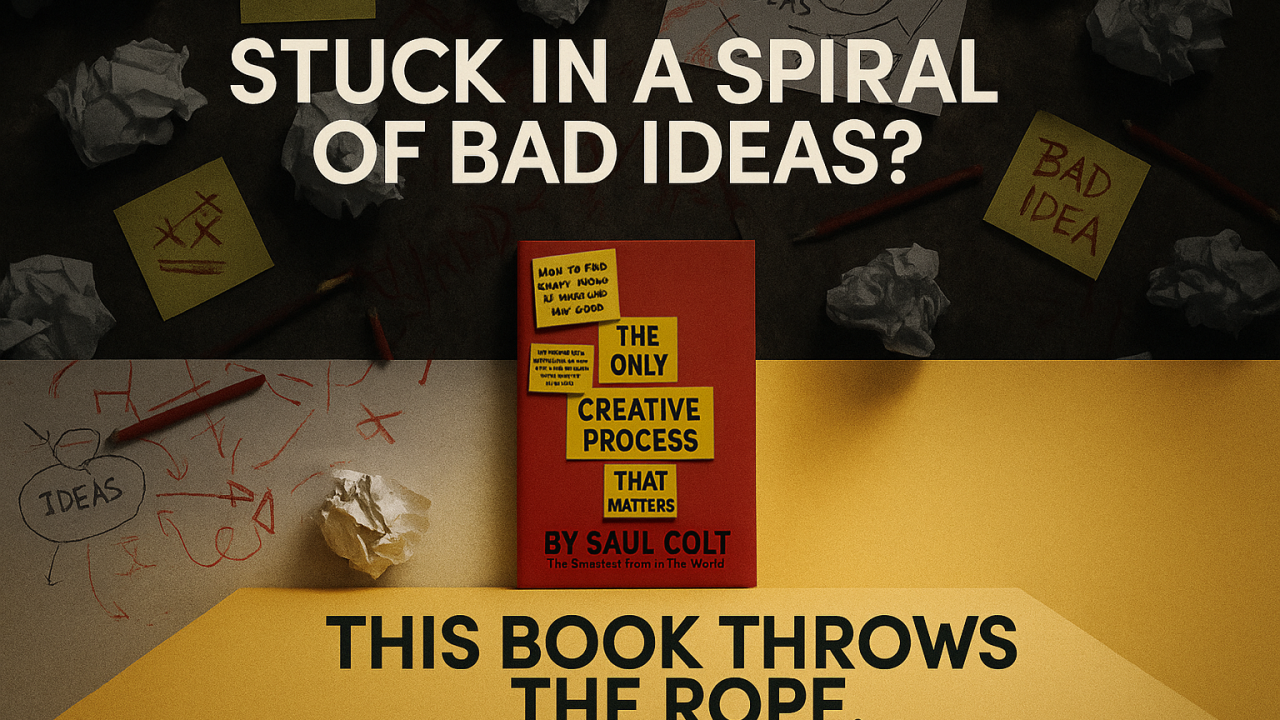
Do you love yourself? If you do you should buy my book.
Alright, let’s be honest:
If you’re only planning to read one book this year... you’re probably either lying, burned out, or watching too many Instagram reels about books without actually opening one.
And hey, no judgment, we’ve all been there.
But if you are going to read one book this year? Make it Shoe Dog. Seriously. That book is a masterpiece. I’ll carry Phil Knight’s sneakers to thank him for writing it.
Now... if you decide to read two books this year?
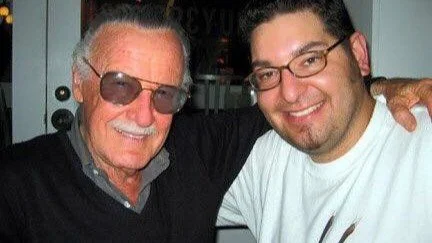
The Stan Lee Rule of Branding: Every Time Is Someone’s First Time
The first rule of comedy is: tell a joke once and it’s funny. Tell the same joke five times and it’s not funny anymore. Tell that same joke nineteen times to the same people, and suddenly it’s awkwardly hilarious.
That’s brand storytelling.
Time to Stop Playing It Safe With Your Marketing/Advertising Cause It Doesn't Matter
A funny thing happens every time a brand does something bold: social media loses its mind.
Take the recent Cracker Barrel situation. They make a simple logo change, and the comment section fills with people swearing they’ll never set foot in a Cracker Barrel again, and our beloved LinkedIn becomes well, I don't know how to describe it. From the reaction it got you would think they added plant-based sausage to the menu or told the world that the old guy in the logo is named Hershel and may be Jewish. Sales tank and then spike as new audiences discover them, and eventually the brand cements its relevance (again). The truth is this: no matter what you do, social media will scream. That’s its job, so make sure they are busy.

Marketing Magic: Why the Best Campaigns Feel Like Sleight of Hand
I’ve been in marketing long enough to watch it morph from a business built on instinct, creativity, and a little showmanship… into something that looks like a NASA control center for consumer behavior. Now don’t get me wrong, I’m not anti-data. Data’s amazing. It tells you who’s worth talking to, where they are, what they care about, and sometimes even the color of socks they’re wearing when they buy toothpaste.
But here’s the thing: data can tell you where to aim the arrow, it can’t make anyone care that you shot it.
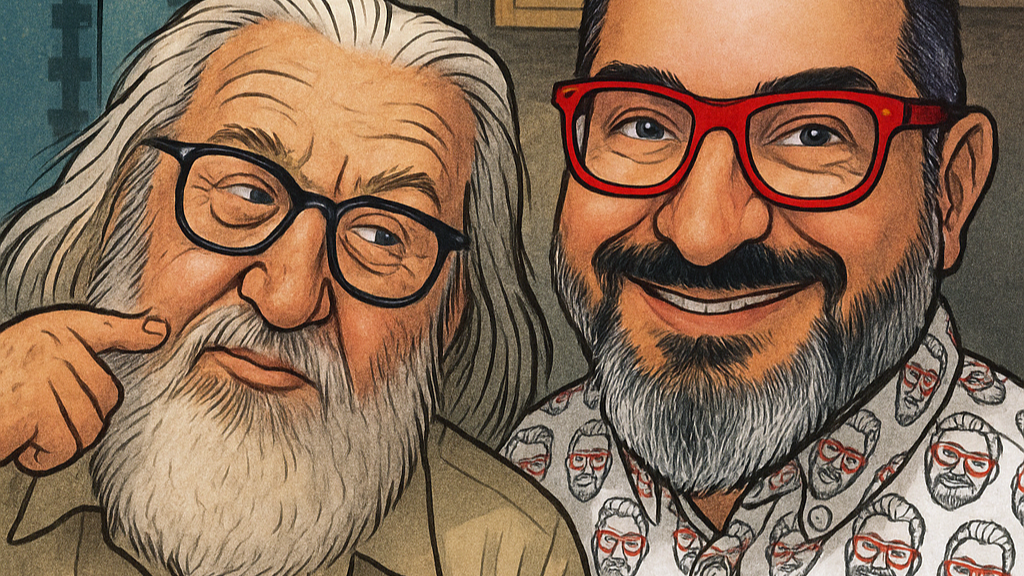
Business Lessons from My Idols: William M. “Bill” Gaines of MAD Magazine
My two biggest business influences have been the same since day one: my Dad and Bill Gaines, the founder of MAD Magazine. This post is the first in what may be an ongoing series, “Business Lessons from My Idols,” and this one is very personal one for me. If you grew up reading MAD you probably remember the goofy Alfred E. Neuman and the magazine’s parodies, but you might not know the man behind the magazine. Bill Gaines was MAD’s longtime publisher (over 40 years) and the architect of a work culture so unique and fun, it arguably set the template for the modern “creative office.”