
Did you ever hear the one about the SXSW Bus Stunt?
I saw a post today from Stephanie Agresta talking about SXSW and how they have reimagined the footprint of the festival. The post caught my eye because SXSW is a big part of my career.
I’ve been to SXSW eight times and seven of those were in a row, mostly with FreshBooks , but also tagging along with two other startups hellbent on making noise. And every damn year we managed to stir things up so well that we’d get a polite (but clearly annoyed) email from the organizers: "You got us this time, but we’re closing that loophole for next year."
If you have heard me keynote a conference or read my book you know about the Evel Knievel stunt, but probably my favorite year was the time we brought buses. Real, full-size, greyhound-style coaches. Two of them. And we parked our smiling faces right at the airport baggage claim.
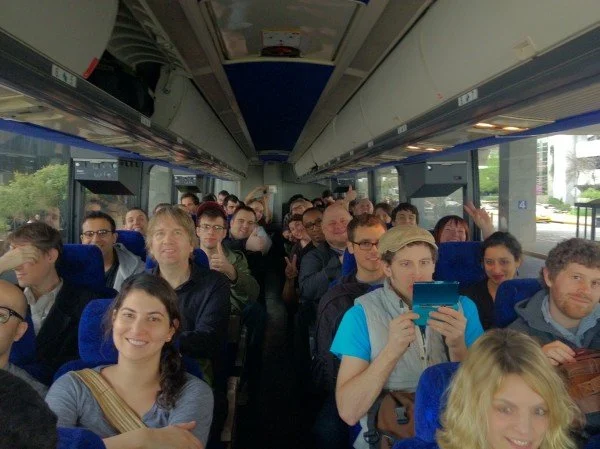
Here was the pitch: If you’re here for SXSW, we’ll give you a free ride into the city. No strings. Just hop on to our branded bus (that we got a C&D letter for using the logo)
That’s it. That was the stunt. And it worked like a damn charm.
Here’s why it worked:
First Brand Touch Wins: SXSW is a logo orgy. Everyone is pitching, branding, sponsoring, screaming. But no one else thought to own the airport. We were the first touchpoint anyone had with a brand. That’s power.
Full Attention, Zero Distractions: 35 minutes in a bus with no emails, no calls, no panels. Just us, some comfy seats, and a soft pitch about why FreshBooks might be the best thing you discover all week. Total undivided attention.
We Gave Before We Asked: We saved people $40 on cab fare. Gave them snacks. Handed out shirts, stickers and postcards sharing info on our events, speaking slots and product info. But the most important thing we gave them was a story. Something to talk about the second they hit the registration line.
We Controlled the Environment: We weren’t competing with 1,000 other booths. We had a captive audience we could engage, entertain, and convert without fighting for airtime.
We Created Buzz, Not Just Impressions: Everyone who rode the bus became a walking billboard. They spread the word, wore the merch, and built a mystique around "the bus people."
People arrived at SXSW saying, "Did you ride the FreshBooks bus? Did you get the shirt?" Boom. Word-of-mouth ignited before the conference even began.
But we didn’t stop there.
Later that week, we hosted the best damn party at SXSW, and it wasn’t even close. We bussed people 50 minutes out of the city to a ranch equipped with a mechanical bull and all-you-can-eat BBQ from the world-famous Salt Lick. Ribs, brisket, sausage and sauce so good it should be illegal.
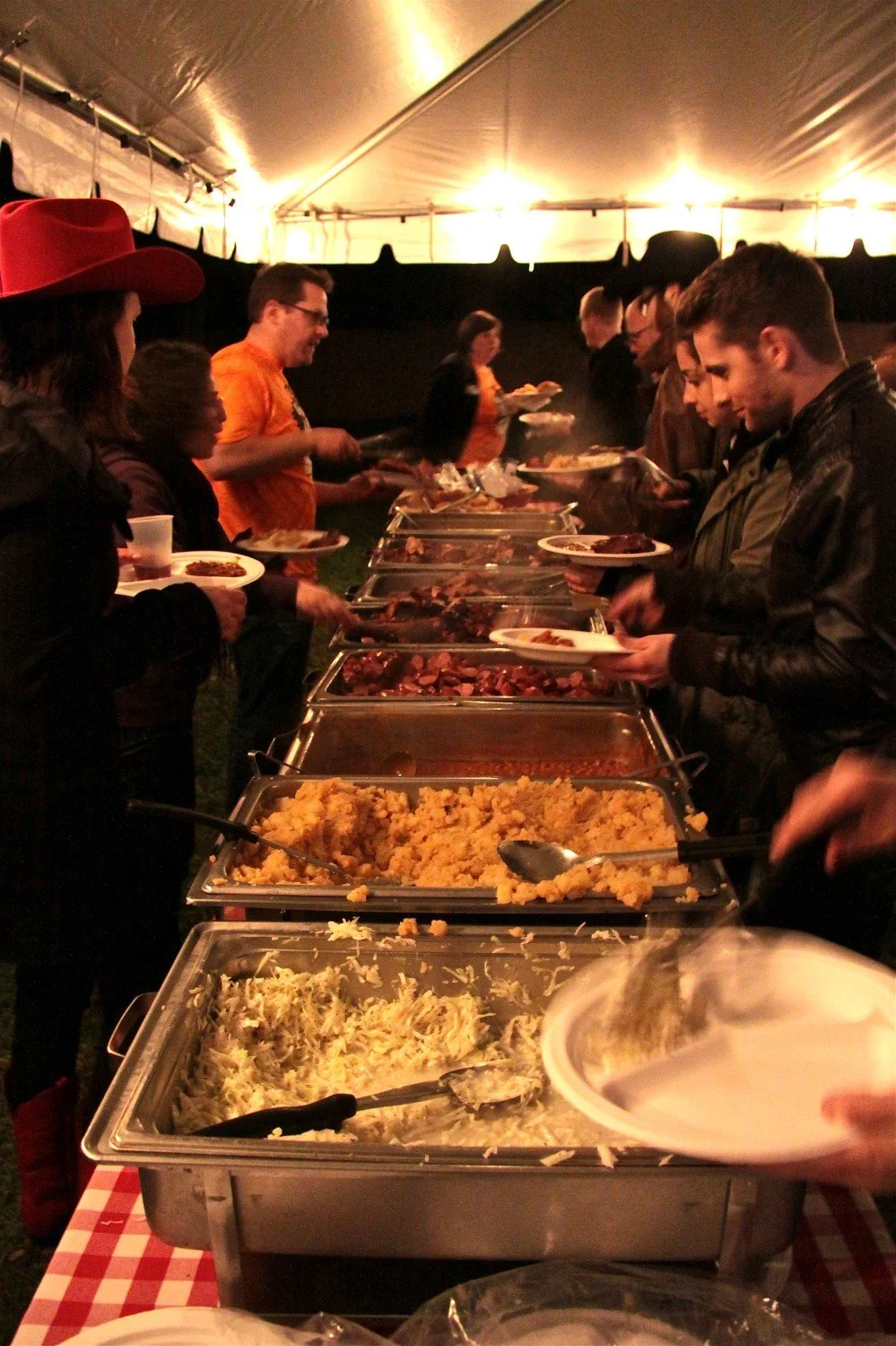
And because we controlled the buses, we controlled the timing. You had to stay at least an hour before we’d drive you back. Which meant people didn’t bounce. They soaked it in. They talked. They posted. They remembered.
So what’s the big takeaway? It’s this: Thinking differently always wins. When everyone else is chasing sponsorships and paying $50K to slap a logo on a napkin, we asked: "What are all the ways we be the most useful? What are all the ways we give before we ask? What are all the ways we can surprise the hell out of people?"
That’s how you win SXSW. Or any event, really.
And yeah, the organizers (who I admire a great deal) changed the rules again after that. But that’s the tax on creativity.
You do something so good it forces the system to evolve.
Now? The game’s changed. SXSW is spread out. The footprint is massive. But that just means the new opportunity is moving people, not messaging them. Transportation is the new media.
Here’s a sorta half baked free idea on what I would do under these circumstances:
The Officially Unofficial SXSW Studio Tour Tram
“See the sights, none of which we’re actually allowed to show you.”
You get 2 or 3 studio-tour-style trams, fully wrapped, fully miked, fully ridiculous.
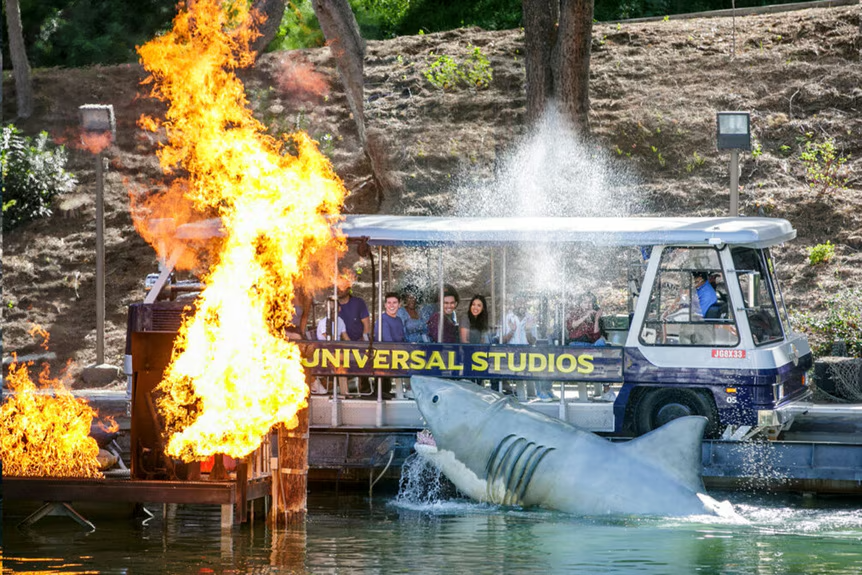
Each tram does continuous loops between the major SXSW zones. Onboard? A fake tour guide who delivers:
Completely absurd fake SXSW history
Totally fabricated gossip about speakers (“This is the street where Elon Musk once promised someone a churro and like that roadster, never delivered…”)
Even more fake Austin lore (“On your left is the tree Matthew McConaughey once stared at for 19 minutes straight while thinking about a Lincoln commercial.”)
And of course, keep dropping little brand messaging for you into the tour at every turn.
Bonus twist: Each tour ends with a cliffhanger (“And that’s when the mayor said ‘Not in this town!’ which is why your phone bill is… anyway, we are here, everybody off!”)
Why this wins: You’re giving people the one thing SXSW starves them of: frictionless, fun transport, while creating an experience they film, share, and quote all week.
The Booze Bike But Make It CIA-Level Exclusive
“A rolling VIP party that nobody can get into… unless they earn it.”
Take those 12-person pedal taverns and flip the script: Make it invite-only.
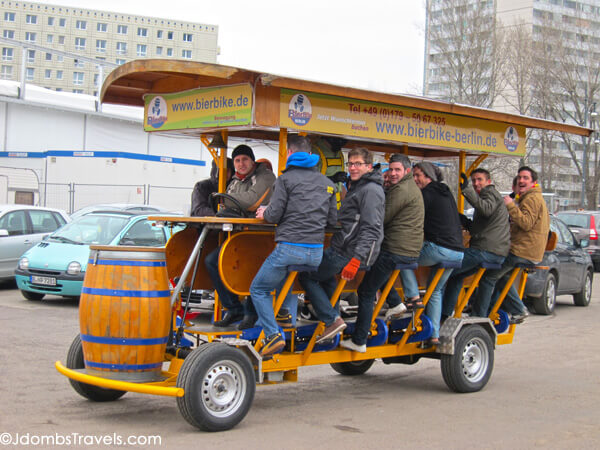
You stop occasionally, pick up people at random, hand them a golden coin (physical challenge coin with branding), and suddenly they’re on the coolest ride in Austin.
It’s intimate, it’s social, it’s loud, it’s full of personality.
Brand angle: Every time it stops, a crowd forms. People beg to get on. Demand builds. Scarcity makes it legendary.It’s physical brand storytelling, disguised as kindness, exclusivity, and survival.
And best of all? It's built on the same principles that made our bus stunt legendary, meet people where they are, give them something of value before asking for attention, and do it in a way nobody else has the balls (or brains) to try.
Want more stories like this? Want to understand how to build creative marketing that actually moves people, makes them talk, and forces the system to adapt to you?
Buy my book: The Only Creative Process That Matters.
It’s not a how-to. It’s a how-you-should’ve-been-doing-it-this-whole-time. Available wherever smart people buy books.