Why I Always Give Credit (Even When I Could Take It)
You’ve probably noticed something about my posts.
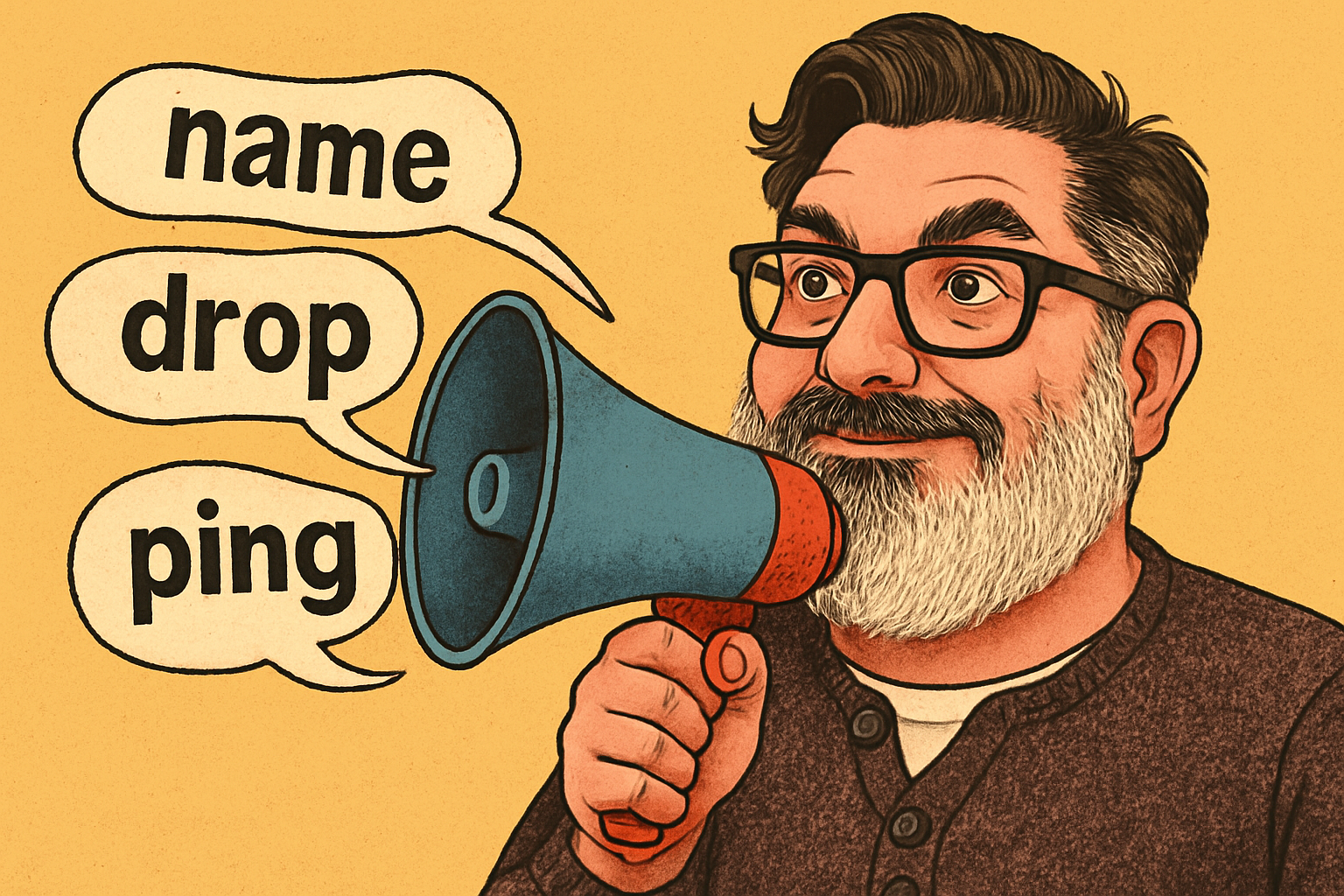
I’m constantly name-dropping. Not celebrities. Not influencers. Cousins. Colleagues. Random friends. That guy Steve Hoechester who said one thing at lunch that hijacked my brain for a week.
Here’s why: I genuinely believe that credit is a form of currency, and I like to be rich in the stuff that actually matters.
Yes, I can come up with ideas on my own. Hell, I’m good at it. (Like, "could monetize it in my sleep" good.) But the truth is, something special happens when you let other people into the process. A conversation. A book. A line in a podcast. It’s not just inspiration, it’s ignition. These interactions don’t just give me ideas. They accelerate them. Sharpen them. Sometimes they slap me in the face and say, "Hey dummy, go this way."
Better Is Better (That’s Why They Call It Better)
Every once in a while, someone drops a sentence so simple, so unpolished, so delightfully obvious that it hits you straight in the soul like a folding chair in a WWE match.
For me, it happened last week.
I was talking with my cousin. She’s cool. She’s fun. She’s wildly successful in that effortless “Oh, I didn’t realize you were on that board” kind of way. We were bouncing around ideas about travel and food and all the things that make life feel like more than just a to-do list.
Then she said this.
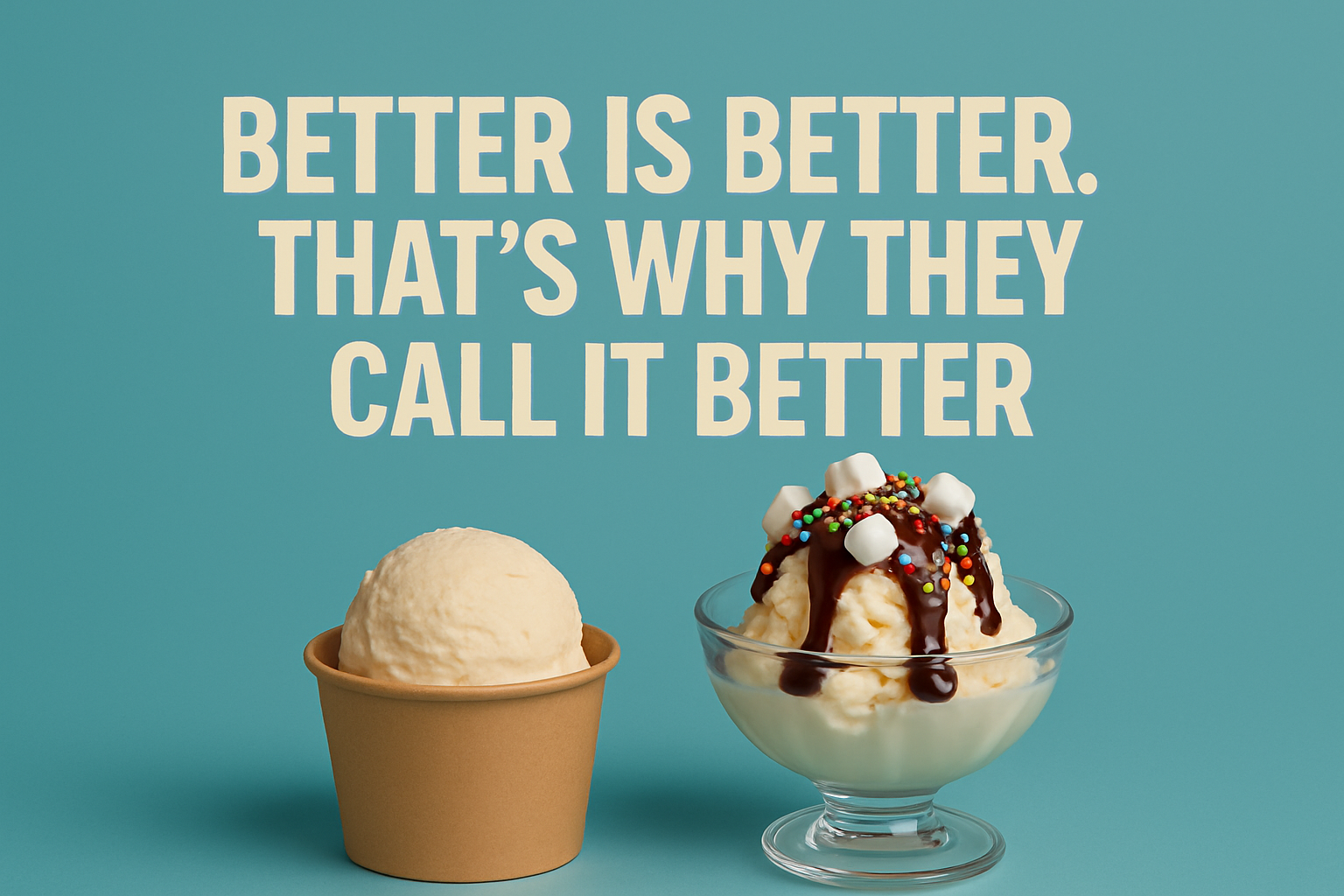
“Do you know why they call things better? Because better is better. That’s why they call it better.”
I swear to you, time froze for a second.
The Only Thing That Matters: Incrementality
Let’s just say it: Most digital marketing metrics are bullshit.
Impressions? Clicks? Views? Cute.
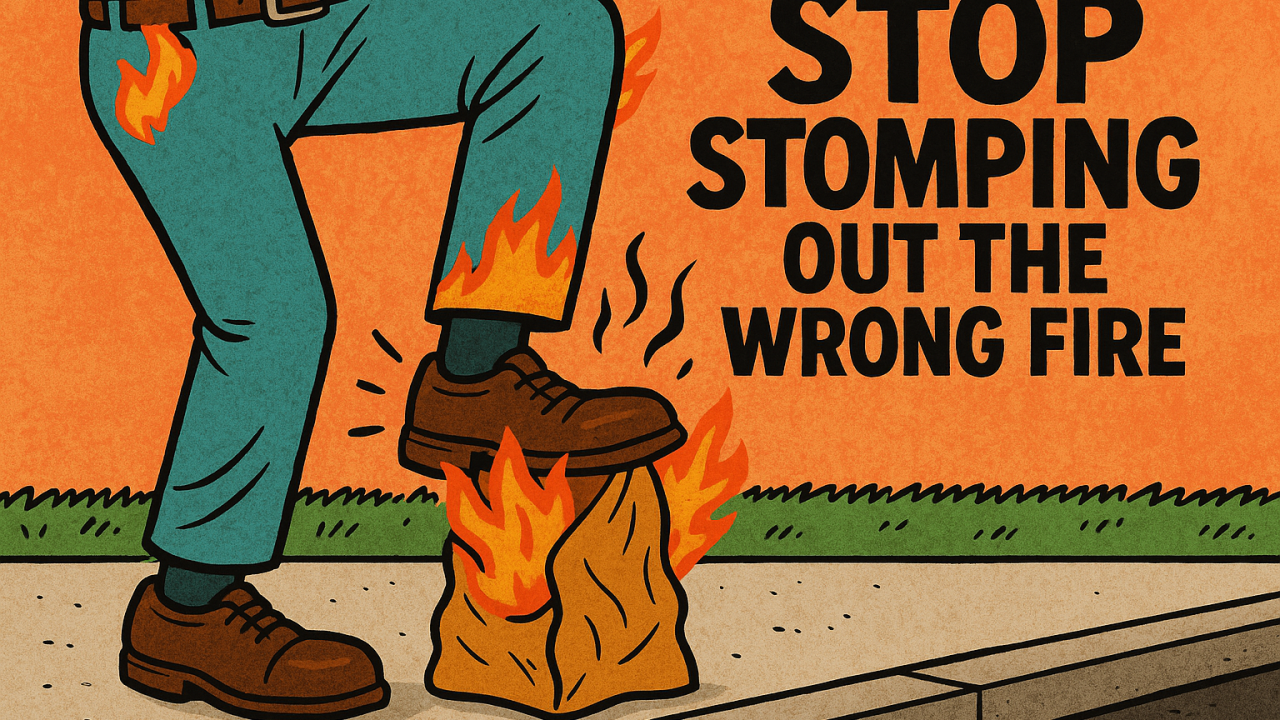
They look great in a deck and make everyone feel productive, but when it comes to answering the only question that actually matters, "Did this move the needle?" those metrics are basically confetti in a hurricane.
Enter the hero we don’t talk about enough: Incrementality.
How to Make a Marketing Idea So Bold It Scares You (and Why That’s a Good Thing)
Here’s the rule I live by: If your idea doesn’t make someone nervous, it’s probably not good enough.
The best marketing ideas don’t live in the middle of the road, that’s where roadkill happens. They live on the edge. They make people feel something. They make people talk.

The Creative Process Is Broken. Here’s How I Fixed It
The next few posts are going to be me talking about my book, not because I’m obsessed with myself (well, maybe a little), but because I think you’ll actually get something out of it. You knew I wrote a book, right?
Let’s be honest: the word creative doesn’t mean much anymore.
Every company says they’re creative. Every marketing deck has a section called “Big Ideas.” Every brainstorm starts with someone saying, “No idea is a bad idea!” before immediately shooting down the first one.
Meanwhile, everything looks the same. The same fonts. The same slogans. The same video that opens with “It starts with a spark…”
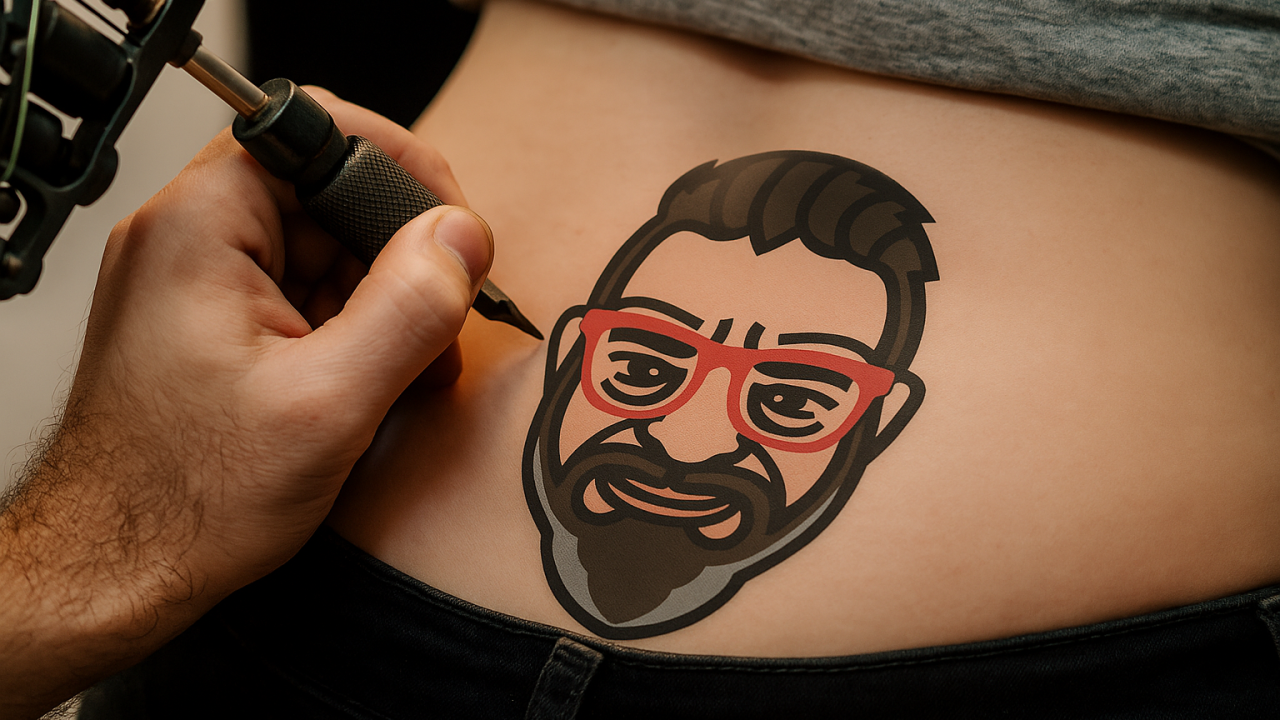
Making Love to Your Customers: 20 Years Later and Still Right
Strap in kids, cause I’m going to lay it out plain and loud: community is the only growth strategy worth your brand’s sweat and sleepless nights. And I should know, after speaking at over 300 conferences in the past 20 years, crafting a new 70‑minute keynote every single year (yes, even while sleeping half‑dead in airports), and starting with a slightly eyebrow‑raising talk titled Making Love To Your Customers (yes, that’s what it was called), I’ve come to this truth: all the flashy “growth hacks” will fade, but a fiercely loyal tribe will endure.

I Don't Always Like Who I Have Become.
When I founded The Idea Integration Co., it was just me, a lot of cream soda, and a healthy appetite for McDonald's. I started this thing with nothing but the confidence that I could eat like a raccoon out of garbage bins if I had to, and I’ve done it more than once. Because when you’re building something from scratch, survival is part of the budget.
And yeah, I took massive risks. The kind of risks that make people either whisper "that guy’s unhinged" or ask for my card. Like when I bought a billboard that said, "Need a Traci Lords Idea?"
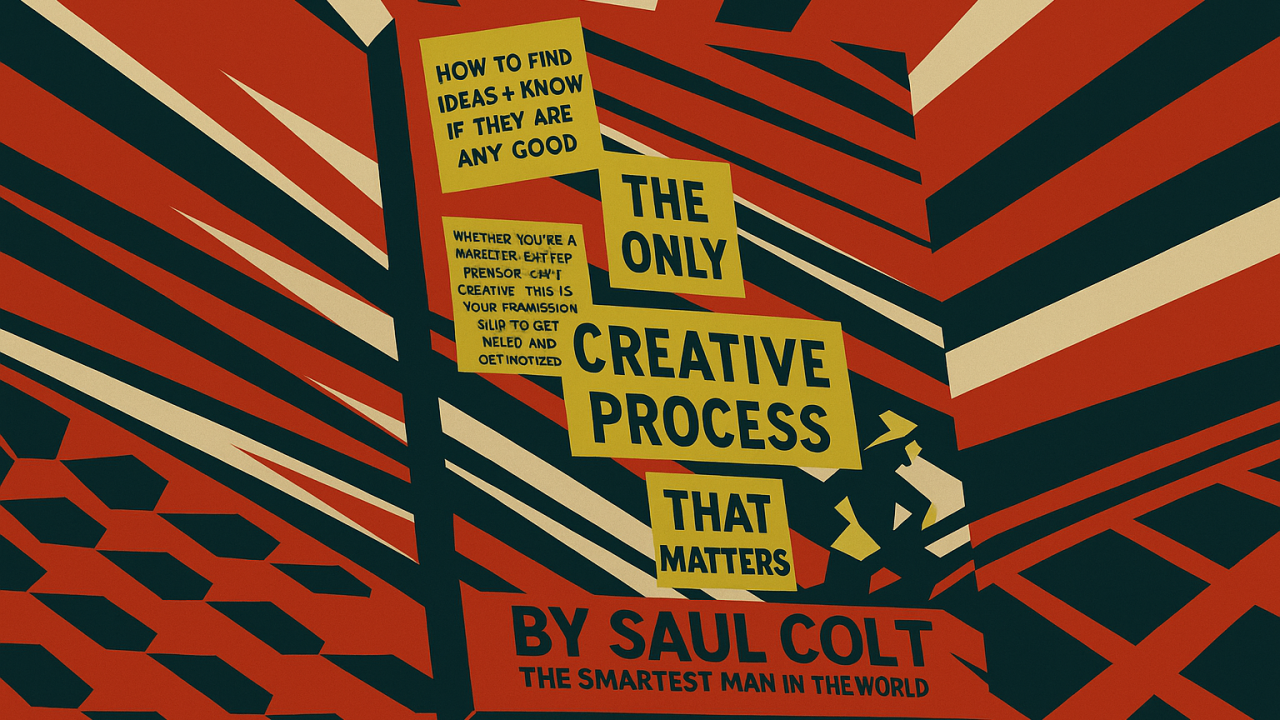
The Only Creative Process That Matters: A Manifesto
My last post got the least number of views I’ve ever received. Lesson learned: don’t post a half-naked photo of yourself, apparently the algorithm doesn’t love dad bod chic.
So to make it up to the internet (and boost my numbers), I’m taking a page from the Unabomber (not the bombing part, just the manifesto part) and writing one of my own.
This one isn’t about tearing down society. It’s about why you should buy my book: The Only Creative Process That Matters.

Why I Post So Much And Kinda Live In Public.
Let’s get this out of the way: the phrase "executive branding" feels gross. It sounds like something your niece does on TikTok. Something with ring lights and hashtags. But here’s the truth, and it took me two decades online to realize it: Posting a lot and kinda sharing a lot of stuff isn’t about ego. It’s about access.

Would you refer me to someone?
Most people don’t refer you or things in general (like my book) because they forget. The rest don’t refer you because they’re not sure you’re worth the risk.
That’s the uncomfortable truth.
But what do most brands do? They ask, “Would you refer us?” and take the answer, “Of course!”, as gospel.
No follow-up. No action. No accountability. Just a warm feeling and a slowly dying business.
It’s OK to Come Back. Seriously.
There’s something I need to say, and I hope it reaches the right people.
It’s OK to come back. Really. No guilt. No shame. No awkward silences required.
Earlier this year, my company lost three projects to “AI.” That’s not code for another agency, it’s literal. The clients decided they could do what we do in-house using AI tools instead of a team of human creatives.
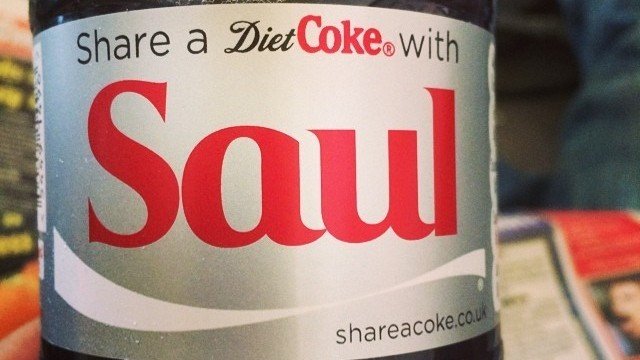
Coca Cola's 70-20-10 formula. It's the Real Thing
Real talk: Coca-Cola gave the marketing world a gift with their 70-20-10 content model… and almost nobody’s using it.
I’ve been in marketing a long time. Long enough to remember when “viral” was just a thing you caught from making out with the wrong person in a burger king bathroom (don’t judge). So when I tell you this framework is one of the smartest tools for balancing brand consistency with actual innovation, I mean it.
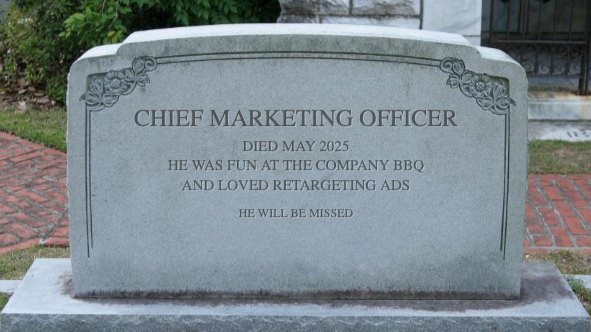
The CMO Position Is Dead... Long Live the CMO
We’ve officially entered the era of Marketing Musical Chairs, except the music stops every 12 to 16 months, and it’s always the CMO left standing.
Why? Because the CMO role has become a lame duck gig. Disposable. Decorated. But damned. The title still sounds powerful, but it now often means: “You’re the first to go when growth stalls, vibes are off, or someone in the boardroom starts reading too much Martech Today.”nestly, who has that kind of time?

It Finally Happened...I Had A Nervous Breakdown On A Podcast Fighting For You.
Here’s the thing: I absolutely, 100%, without hesitation, hate everything about what’s happening with AI clones of creatives. This isn’t innovation. It’s creative extinction dressed up as "progress."

Why I Give Away My “Secret Sauce” (And Why You Probably Should Too)
People ask me all the time why I share so much.
Why I talk publicly about my creative process. Why I walk people through strategies that others would lock in a vault. Why do I give away what many would consider “proprietary” or “the secret sauce”
WoMBAT part 2 - How We Came Up With the Best Idea You’ll Never See on TV
One of the questions I get asked most is: “How do you come up with your ideas?”
The honest answer? We ask better questions than everyone else.
As I wrote yesterday, At The Idea Integration Co., we use a CIA-inspired framework called WoMBAT, short for What Might Be All The… It’s my secret weapon. It forces us (and our clients) to explore wide, weird, wonderful thinking before we narrow in on a final concept. It stops us from jumping at the first idea, and pushes us toward the right one.

If You’re Always Looking for Waldo, You’ll Miss the Hippo Dentists – A Guide to Thinking Differently
People often ask me, “Saul, How do you come up with your ideas?” or “Saul, How do you think the way you do?” It’s not magic, and it’s not luck. It’s a process. A way of approaching problems that I’ve honed over years of experience in marketing, branding, and creating campaigns that grab attention and spark conversations. And the secret sauce?
It all comes down to WoMBAT.

The Definitive Guide to Running Your Business from a Hospital Room While Someone You Love is Dying
I’m writing this from a hospital room while my dad is dying. It sucks. But if there’s one thing I’ve learned over the years—after spending 50+ days in this situation when I lost my mom five years ago and after being on a breathing machine for 17 days three years ago when I got Covid, and now several weeks with my dad in and out of hospitals for months—it’s that life doesn’t pause, and neither does business.
Some people use work as a distraction from life. Sometimes, life is the distraction from work. And sometimes, like right now, the two overlap in a very weird, emotional, and deeply exhausting Venn diagram.
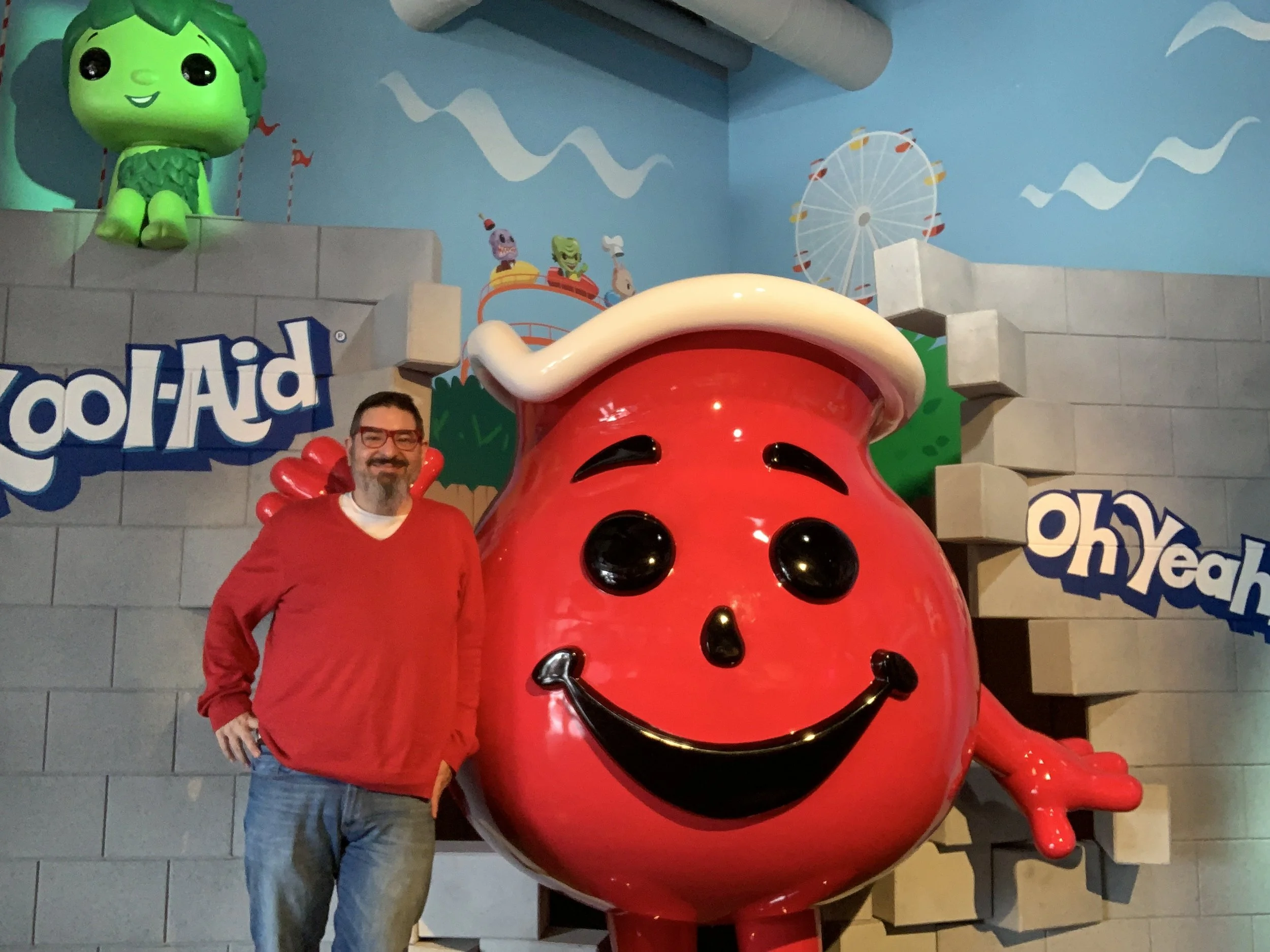
What You Think Of Me Is None Of My Business. Except For Right Now.
Yesterday, I had a conversation with someone who asked me, "So, what are you up to these days?" It was a simple, casual question, but it got me thinking—people seem genuinely unclear about what I do for a living.
This isn’t a new phenomenon for me. I’ve always been a bit of an enigma, partly by design and partly because what I do doesn’t fit neatly into a single job title or industry box. Over the years, I’ve built businesses, created marketing campaigns that made headlines, orchestrated brand experiences that changed the way companies engage with their customers, and helped businesses stand out in ways they never thought possible.